
The best portable microscopes make it easier to inspect coins, plants, insects, electronics, and everyday materials without a full-size lab setup. The models in this roundup range from simple pocket viewers to digital microscopes with screens, stands, and computer connectivity.
Use the guide below to compare portability, image handling, lighting, and ease of use so you can choose a microscope that fits your projects, age group, and budget.
Best 10 Portable Microscopes Picks for 2026
Best Pocket Pick

- 60x–120x optical magnification
- LED illumination in a 2.08-ounce body
- Limited lifetime warranty
Best For: Students and families wanting a simple portable optical microscope
Best Digital Connectivity

- 4K 3840x2160P wireless or wired video
- 50x–1000x magnification with eight LEDs
- Compatible with phones, computers, and tablets
Best For: Digital viewing across mobile devices and computers
Best for Smartphone Sharing
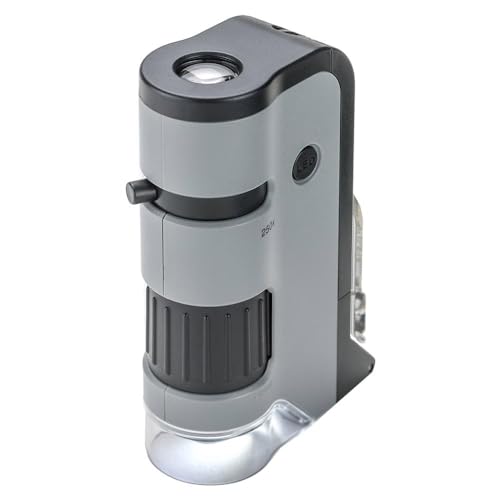
- 100x–250x magnification
- Smartphone digiscoping clip included
- LED and UV illumination with starter slide
Best For: Students documenting field and classroom discoveries
Best for Kids’ Outdoor Exploration
1000X Digital Handheld Microscope

- 100x–1000x magnification with a 2-inch screen
- Eight LEDs and four brightness levels
- Stores 200+ photos and AVI videos
Best For: Children ages 4–12 exploring and recording outdoor discoveries
Best Pocket STEM Pick
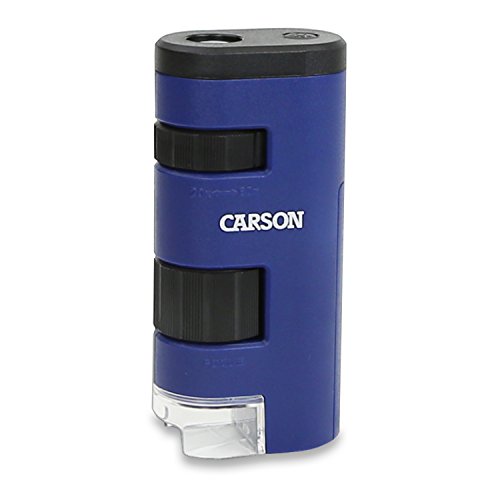
- 20x-60x magnification for everyday objects
- Built-in LED for clearer viewing
- Lightweight, simple handheld design
Best For: Beginners and kids exploring STEM
Best Digital Coin Scope

- 4.3-inch 720P display for live viewing
- Eight adjustable LEDs improve illumination
- Rechargeable battery lasts up to 3 hours
Best For: Coin collectors and detailed hobby work
Best Kids’ Digital Pick

- 4.0-inch IPS display with 1080P imaging
- 100x-1600x magnification range
- Eight lights and built-in hotspot sharing
Best For: Children ages 3-8 and family science activities
Best for Quick Inspections
TOMLOV P10 Handheld Microscope
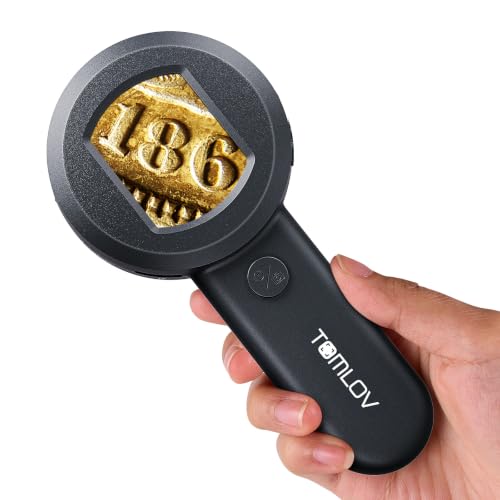
- 2-inch live LCD screen
- 100x magnification with 4x zoom
- White and UV lighting
Best For: Collectors, jewelers, and hobbyists
Best Complete Kids’ Kit

- 200x–1000x adjustable magnification
- Five real glass prepared slides
- 32GB card and EVA case included
Best For: Children, homeschool, and classroom discovery
Best Kid-Friendly Explorer
BMDSAE 1000X Pocket Microscope

- 2-inch IPS screen with manual focus
- Adjustable eight-LED lighting
- Photo and AVI video storage
Best For: Young nature explorers and science projects
Best Pocket Pick – Carson MicroBrite Plus
The Carson MicroBrite Plus is a straightforward choice for shoppers seeking portable microscopes for classroom kits, field observations, or casual STEM exploration. Its compact, 2.08-ounce design offers 60x to 120x magnification with built-in LED illumination.
Best For: Students and families who want a lightweight, battery-powered pocket microscope for examining slides and everyday objects.
Pros:
- Compact and lightweight for field or classroom use
- 60x–120x magnification suits varied beginner experiments
- Bright built-in LED lighting helps illuminate specimens
- Includes a limited lifetime warranty
Cons:
- Requires batteries for operation
- Its 120x maximum is lower than some digital alternatives
- Smartphone compatibility is listed, but imaging accessories are not included in the supplied details
The MicroBrite Plus prioritizes portability and simplicity over digital features. It is a sensible pick for hands-on exploration when you want a small optical microscope rather than a screen-based model.
Best Digital Connectivity – Jiusion 4K WiFi Microscope
The Jiusion 4K is one of the more versatile portable microscopes for buyers who want to view specimens on a phone, tablet, or computer. It supports wireless phone and tablet use, wired computer connections, and magnification up to 1000x.
Best For: Students, hobbyists, and makers who want high-resolution digital viewing across mobile and desktop devices.
Pros:
- 3840x2160P 4K video support
- Works with iOS, Android, Windows, Mac, Linux, and Chrome OS
- Eight built-in LEDs with adjustable focus and brightness
- Includes a stable metal stand
Cons:
- Wireless operation requires charging
- Zoom buttons work on phones and tablets, not computers
- Requires a compatible device for viewing
This model stands out for connectivity and image output rather than being a fully self-contained viewer. The included stand also makes it more practical for steadier observations than a handheld-only design.
Best for Smartphone Sharing – Carson MicroFlip
Carson MicroFlip 100x-250x, LED UV Pocket Microscope with Smartphone Clip, STEM Education (MP-250)
Check Price On AmazonThe Carson MicroFlip is a strong option among portable microscopes for students who want to document and share observations. It combines 100x to 250x magnification with LED and UV illumination, plus a smartphone digiscoping clip.
Best For: STEM learners and field users who want higher magnification than a basic pocket microscope and an easy way to capture findings.
Pros:
- 100x–250x magnification for detailed observations
- Included smartphone clip supports documenting discoveries
- Lightweight design includes a wrist strap
- Includes a starter slide and cover slip
Cons:
- Battery-powered operation requires replacement or rechargeable batteries
- Smartphone viewing depends on phone compatibility and positioning
- It does not provide a built-in display
With its smartphone clip and compact form, the MicroFlip is designed for active, shareable exploration. It is especially appealing when recording observations matters as much as viewing them.
Best for Kids’ Outdoor Exploration – 1000X Digital Handheld Microscope
This 1000X digital handheld model is among the most kid-focused portable microscopes in this roundup. It pairs 100x to 1000x magnification with a 2-inch display, built-in LEDs, simple focusing controls, and onboard photo and video storage.
Best For: Children ages 4–12 exploring leaves, insects, ornaments, and other everyday objects at home or outdoors.
Pros:
- Self-contained 2-inch color screen avoids an eyepiece or separate device
- Eight LEDs and four brightness levels support varied lighting
- Stores more than 200 photos and AVI videos without an SD card
- Lightweight 200g BPA-free ABS construction is designed for portability
Cons:
- The supplied notes do not specify battery runtime
- Image transfer is described for Windows and Mac computers via USB-C
- Its child-focused design may offer fewer advanced controls for serious microscopy
The built-in screen and large focus wheel make this a convenient grab-and-go learning tool for younger users. It is best suited to visual discovery and documenting outdoor finds rather than laboratory-grade work.
Best Pocket STEM Pick – Carson Pocket Micro
The Carson Pocket Micro is a straightforward choice for shoppers seeking portable microscopes for everyday exploration. Its 20x-60x magnification, built-in LED, and compact battery-powered design make it practical for examining stamps, coins, plants, and other small objects.
Best For: Children, beginners, classroom activities, and backyard STEM exploration.
Pros:
- Compact 20x-60x handheld design with a wide field of view.
- Built-in LED helps illuminate specimens in low-light conditions.
- Simple controls are approachable for users of different ages.
- Lightweight, durable construction and a one-year limited warranty.
Cons:
- Offers less magnification and fewer digital features than LCD microscopes.
- Battery-powered operation requires keeping batteries available.
This is a sensible low-complexity option when portability and ease of use matter more than image capture or computer connectivity.
Best Digital Coin Scope – Elikliv EDM4 LCD Microscope
The Elikliv EDM4 is one of the more feature-rich portable microscopes for viewing coins, circuit boards, jewelry, and other detailed subjects. It combines a 4.3-inch 720P display, adjustable LED lighting, a height-adjustable stand, and Windows or MacBook connectivity.
Best For: Coin collectors, hobbyists, repair work, and users who want a larger live display.
Pros:
- 4.3-inch screen provides a comfortable real-time viewing experience.
- Eight adjustable LEDs help improve illumination and image clarity.
- Stand adjusts the camera-to-object distance for focusing and magnification.
- Rechargeable battery supports up to three hours of continuous use.
Cons:
- At 1.1 pounds, it is less pocket-friendly than simpler handheld models.
- Memory card for photo and video storage is not included.
- Its computer-viewing compatibility is specified for Windows and MacBook devices.
Choose the EDM4 if you value a built-in screen, adjustable positioning, and shareable digital viewing over the smallest possible form factor.
Best Kids’ Digital Pick – 4.0-Inch Handheld Miniscope
This handheld miniscope is designed for young explorers who want portable microscopes with a digital screen and photo capabilities. It has a 4.0-inch IPS display, 1080P imaging, adjustable lighting, and a compact body suited to examining plant veins, fabrics, coins, insects, and other everyday specimens.
Best For: Children ages 3-8, family science activities, and portable educational exploration.
Pros:
- 4.0-inch IPS screen and 1080P imaging provide detailed digital views.
- 100x-1600x magnification range supports varied specimen exploration.
- Eight adjustable lights help tailor brightness to the subject.
- Built-in hotspot makes sharing captured photos and videos convenient.
Cons:
- Charging adapter is not included; the package includes a USB cable.
- Designed for indoor use according to the supplied details.
- Its kid-focused design may be less suitable for advanced inspection work.
For a child-friendly digital learning tool, this miniscope offers an engaging combination of high stated magnification, a built-in display, and easy sharing.
Best for Quick Inspections – TOMLOV P10 Handheld Microscope
If you want portable microscopes for checking coins, jewelry, plants, or small outdoor finds, the TOMLOV P10 is a lightweight, screen-equipped option. Its fixed 100x magnification, built-in lighting, and onboard photo storage make it convenient for fast viewing without needing a separate display.
Best For: Collectors, hobbyists, jewelers, and families who want a simple handheld microscope for close-up inspections.
Pros:
- Built-in 2-inch LCD screen provides live viewing without a computer.
- Lightweight 3.9-ounce design is easy to carry.
- Includes adjustable white LEDs and UV lights for different inspection tasks.
- Captures 16MP photos and stores up to 300 images internally.
Cons:
- Fixed 100x magnification limits flexibility compared with models offering multiple levels.
- Approximately 50 minutes of use may require frequent recharging during longer sessions.
- Requires positioning about 0.3 inches from the subject for clear focus.
The P10 is a practical choice when portability and immediate screen viewing matter more than extended battery life or adjustable magnification. USB connectivity also allows a larger view on compatible Windows or Mac computers.
Best Complete Kids’ Kit – BEBANG PM1000 STEM Microscope
Among portable microscopes for children, the BEBANG PM1000 stands out as a ready-to-use learning kit. It combines adjustable 200x–1000x magnification with real glass prepared slides, a 32GB memory card, and a fitted carrying case for indoor projects or outdoor exploration.
Best For: Children ages 4–12, homeschool activities, classroom projects, and families seeking an all-in-one science gift.
Pros:
- Includes five real glass prepared specimens for hands-on biology activities.
- 32GB card provides room for photos and videos.
- Custom EVA case keeps the microscope and accessories organized for travel.
- Rechargeable battery offers approximately 2.5 hours of continuous use.
Cons:
- The supplied details do not specify the screen size or camera resolution.
- Adjustable focusing and lighting may require adult guidance for younger children.
- Its included accessories may be more than needed for casual, occasional viewing.
This is the strongest pick for families prioritizing a complete educational setup rather than a bare handheld viewer. The slide set, storage card, strap, and case reduce the need to purchase additional accessories separately.
Best Kid-Friendly Explorer – BMDSAE 1000X Pocket Microscope
For families comparing portable microscopes for young explorers, this BMDSAE model combines a 2-inch IPS screen with manual focus and 1000x stated maximum magnification. Its protective casing, lanyard, adjustable LEDs, and rechargeable battery make it suited to hands-on backyard and classroom discovery.
Best For: Children over age 3 who want to photograph, record, and share observations from nature or science projects.
Pros:
- Manual focus gives children a hands-on way to refine the image.
- Eight adjustable LEDs with three brightness modes support viewing in different lighting.
- Stores more than 200 high-resolution photos or AVI videos in its built-in memory.
- USB connectivity supports exporting content to compatible Windows and Mac systems.
Cons:
- Approximately two hours of battery life is shorter than the BEBANG PM1000’s stated runtime.
- Manual focusing may take practice for younger users.
- The supplied notes specify Windows compatibility in detail but provide less detail about Mac functionality.
This model is a good fit when documenting discoveries is as important as viewing them. Its kid-oriented construction and included lanyard support mobile use, while the screen and storage encourage science-fair projects and digital portfolios.
How We Picked These Portable Microscopes
We selected models across several common use cases, including school projects, outdoor observation, coin inspection, crafting, electronics, and beginner STEM activities. We considered stated magnification ranges, illumination, viewing options, portability, included accessories, and ease of use. Because advertised magnification can vary significantly between products, we give extra weight to practical image quality and usability rather than the largest number on the box.
The selection includes pocket microscopes for quick, low-power viewing; handheld digital units for larger on-screen images; and models with stands or computer compatibility for steadier inspection and documentation.
Quick Comparison
| Type | Best For | What to Look For |
|---|---|---|
| Basic pocket microscope | Outdoor exploration and simple viewing | Low weight, built-in LED light, straightforward controls |
| Digital handheld microscope | Coins, plants, crafts, and general inspection | Screen size, focus range, image capture, stable stand |
| Wi-Fi or USB microscope | Sharing images and computer viewing | Device compatibility, app support, cable quality |
| Kids’ STEM microscope | Supervised learning and gifts | Durable design, simple controls, useful accessories |
Key Buying Factors for Portable Microscopes
Magnification and Working Distance
Higher stated magnification is not automatically better. A microscope that claims 1000x or more may produce a larger image without resolving additional detail. For coins, leaves, fabric, and insects, moderate magnification with a usable working distance is often easier to manage. Very high magnification is more useful when examining prepared samples or tiny surface features.
Display, Phone, and Computer Viewing
A built-in LCD screen is convenient for children and quick inspections because it does not require a phone or laptop. Smartphone clips can help with recording through an optical eyepiece, while Wi-Fi and USB models are useful for sharing images or viewing a larger screen. Check operating-system and app compatibility before buying.
Lighting, Focus, and Stability
Adjustable LED lighting helps reveal surface texture and reduces shadows. Some models add UV illumination for specialized viewing, but it is not essential for general use. A focus wheel should move smoothly, and a stand is valuable when you need a steady image at higher magnification. Handheld designs are more flexible but require a steadier grip.
Portability and Battery Life
For field use, prioritize weight, protective construction, rechargeable battery life, and controls that are easy to operate outdoors. A pocket model is convenient for quick observations, while a larger digital unit may offer a better screen and more stable handling at the cost of extra bulk.
Who Should Buy Which Portable Microscopes?
Choose a basic pocket model for travel, nature walks, and casual inspection of everyday objects. These are usually the simplest options for beginners and younger users with adult supervision.
Choose a screen-equipped digital microscope for coins, stamps, plants, crafts, and shared family projects. The direct display is easier for groups and children than aligning a phone camera.
Choose a stand-equipped USB or Wi-Fi model if you want to capture images, inspect electronics, or work at a desk. These models suit hobbyists and students who need repeatable positioning.
Choose a kids’ STEM kit when the goal is guided experimentation and gifting. Look for durable construction, simple controls, and useful sample accessories rather than the highest advertised magnification.