
Choosing a portable drawing tablet for beginners is easier when you know whether you want a tablet that works on its own or one that connects to a computer or phone. The right pick can make sketching, note-taking, and learning digital art feel far more intuitive.
Below, we focus on beginner-friendly options that balance simplicity, portability, and useful features like pressure sensitivity, screen quality, and included learning tools.
Best 10 Portable Drawing Tablet for Beginners Picks for 2026
Standalone Starter Tablet

- No computer needed for use
- 10.1-inch Full HD display
- Pre-installed apps and tutorials
Best For: Beginners wanting an all-in-one screen tablet for portable sketching and learning
Pen Tablet Classic
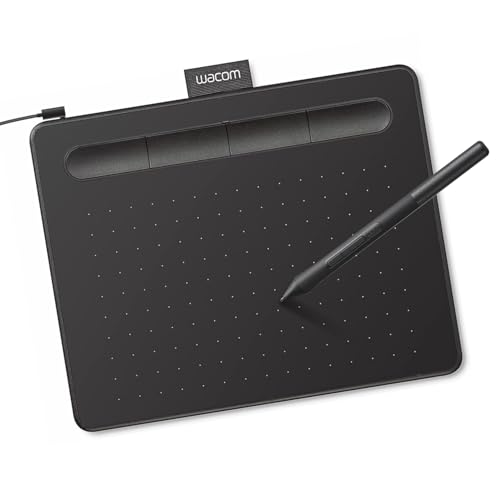
- Battery-free EMR pen
- 4 customizable shortcut keys
- Includes software and training
Best For: Beginners who want a compact, reliable pen tablet for PC or Mac use
Beginner Screen Tablet

- Standalone 10-inch tablet
- Laminated screen for smoother drawing
- Tutorials and bonus accessories
Best For: Beginners who want an all-in-one tablet with guided lessons
Compact Pen Tablet

- Ultra-portable screenless design
- 8192-level battery-free stylus
- 6 customizable hot keys
Best For: Beginners wanting a lightweight pen tablet for drawing and everyday digital tasks
Standalone Studio Pick
12-Inch All-in-One Drawing Tablet
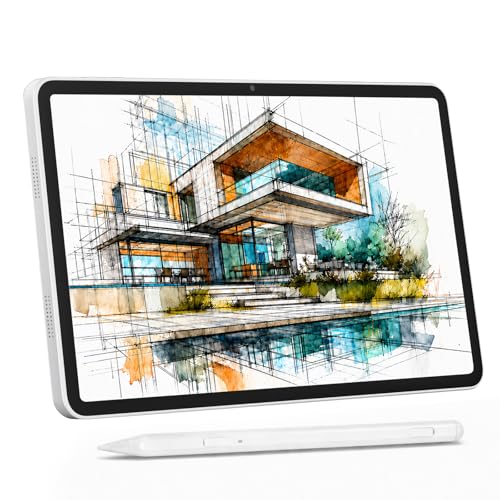
- No-computer setup with Android 15
- 12-inch laminated display with anti-glare surface
- 4096 pen pressure and 60° tilt support
Best For: Beginners who want a full standalone drawing setup
Classic Portable Pad
Wacom Intuos Small Bluetooth Tablet

- Compact pen tablet with Bluetooth and USB-A
- Battery-free pen with 4,096 pressure levels
- Includes software and training for beginners
Best For: New artists who want a simple, portable non-display tablet
Balanced On-the-Go Choice

- Standalone Android 14 drawing tablet
- 10.95-inch laminated anti-glare display
- Includes Clip Studio Paint and ibisPaint X
Best For: Beginners wanting an all-in-one sketch tablet with included apps
Best with Extra Features

- Battery-free pen with 4096 pressure levels
- Bluetooth or USB-A connectivity
- Includes software access and training
Best For: Beginners and students who want a dependable pen tablet without a screen.
All-in-One Sketch Pad
PicassoTab X11 Standalone Drawing Tablet

- Standalone tablet, no computer needed
- 11-inch laminated 2K display
- Apps and tutorials included for beginners
Best For: Beginners who want an all-in-one drawing tablet with built-in learning tools.
Mobile Pen Studio
Wacom MovinkPad 11 Android Drawing Tablet

- Runs Android 14 with no computer needed
- 8,192-pressure Pro Pen 3 included
- Lightweight 1.3 lb design with matte screen
Best For: Beginners who want a premium portable drawing tablet with a built-in screen.
Standalone Starter Tablet – RubensTab T11 Pro
If you’re looking for a portable drawing tablet for beginners that works without a computer, the RubensTab T11 Pro keeps the setup simple. Its 10.1-inch Full HD display, built-in battery, and pre-installed drawing apps make it easy to start sketching, note-taking, or learning digital art right away.
Best For: Beginners, students, and casual artists who want an all-in-one drawing tablet they can use anywhere.
Pros:
- Standalone design means no external computer is needed
- 10.1-inch 1920×1200 IPS screen offers a clear drawing view
- Battery-powered with up to 5 hours of use for portability
- Pre-installed apps and tutorials help beginners get started faster
Cons:
- 1024 levels of pressure sensitivity is lower than some competing tablets
- Battery runtime may be limiting for longer sessions
- Larger footprint than compact pen tablets
Overall, this is a practical pick if you want a tablet that feels more like a self-contained creative device than an accessory. It balances portability, beginner-friendly software, and a screen-based workflow in one package.
Pen Tablet Classic – Wacom Intuos Small
The Wacom Intuos Small is a compact portable drawing tablet for beginners who prefer a screenless, pen-on-paper feel. It connects by USB, works with major operating systems, and includes training plus software access, making it a straightforward entry point into digital art.
Best For: First-time digital artists, students, and hobbyists who want a reliable, compact pen tablet.
Pros:
- Battery-free EMR pen offers a natural drawing feel
- Compact 7-inch size is easy to carry and store
- 4 customizable ExpressKeys add shortcut convenience
- Includes software and training to support learning
Cons:
- No screen, so you draw while looking at your computer display
- Smaller active area may feel tight for some users
- Requires a compatible device rather than working standalone
This is a solid choice if you want a trusted starter tablet with low learning friction and a familiar pen-tablet workflow. It’s especially useful for users who value portability and software support over an integrated display.
Beginner Screen Tablet – PicassoTab A10
The PicassoTab A10 is built for anyone shopping for a portable drawing tablet for beginners and wanting an easy standalone setup. It runs on its own, includes a laminated 10-inch display, and comes with tutorials plus bonus accessories designed to help new users start drawing sooner.
Best For: Beginners who want a self-contained drawing tablet with guided lessons and useful extras.
Pros:
- Standalone Android tablet works without a computer
- 10-inch laminated screen reduces glare and parallax
- 4096-level pen supports expressive sketching
- Included tutorials and bonus items add value for beginners
Cons:
- Smaller pressure range than higher-end pen displays
- Built-in workflow may be more than needed for simple sketching
- Screen size is portable, but not large for detailed work
For new artists who want a tablet that combines drawing, learning, and portability, the A10 is an easy-to-understand option. The beginner-focused tutorials and included accessories make it especially appealing as a first digital art device.
Compact Pen Tablet – HUION Inspiroy H640P
If you want a portable drawing tablet for beginners that stays simple and affordable in form factor, the HUION Inspiroy H640P is a compact pen tablet worth considering. It doesn’t have a screen, but it offers a battery-free stylus, 8192 pressure levels, and customizable shortcut keys for a smoother starter workflow.
Best For: Beginners, students, and remote workers who want a lightweight tablet for drawing, writing, or note-taking.
Pros:
- Very portable at 0.3 inches thick and 1.41 lbs
- 8192-level battery-free stylus supports precise control
- 6 customizable hot keys improve workflow efficiency
- Works with Windows, Mac, Linux, and Android devices
Cons:
- No display, so you draw on the tablet while watching the screen
- Smaller active area may feel limited for large strokes
- Requires a compatible device to use
This is a strong entry-level option if you prefer a lightweight tablet that handles more than just drawing. Its portability, shortcut keys, and broad compatibility make it useful for art, notes, signatures, and online work.
Standalone Studio Pick – 12-Inch All-in-One Drawing Tablet
If you want a portable drawing tablet for beginners that works straight out of the box, this standalone 12-inch option is built for easy first steps. It runs Android 15, includes a stylus, and offers a full kit with a case, glove, charger, and screen protector, so you can start sketching without assembling extra accessories.
Best For: Beginners, students, and hobbyists who want a no-computer drawing setup with a larger screen.
Pros:
- No computer needed, with Android 15 and drawing apps available from Google Play.
- 12-inch 2000 x 1200 IPS screen with full lamination and 100% sRGB color.
- 4096 pressure levels plus 60° tilt support for natural sketching and shading.
- Includes useful extras like a protective case, anti-glare protector, glove, and charger.
Cons:
- Bigger and less minimal than a basic pen tablet.
- Standalone features may be more than a first-time user needs if they only want simple note-taking.
This is a strong pick if you want one device that handles drawing, storage, and portability without depending on a laptop. The larger display and included accessories make it especially approachable for new artists.
Classic Portable Pad – Wacom Intuos Small Bluetooth Tablet
If you are looking for a portable drawing tablet for beginners with a simple learning curve, the Wacom Intuos Small keeps things focused. It does not have a screen, but it gives you a compact active area, Bluetooth connectivity, and a battery-free pen for sketching, editing, and note-taking.
Best For: Students, teachers, and new creators who want a lightweight pen tablet for laptops and desktops.
Pros:
- Compact and lightweight design with Bluetooth or USB-A connection.
- Battery-free pen with 4,096 pressure levels for steady control.
- Four customizable ExpressKeys for quicker workflow shortcuts.
- Includes software and training access to help beginners get started.
Cons:
- No built-in screen, so you draw while looking at your computer display.
- Smaller active area may feel limited for users who prefer more drawing space.
This model is a practical entry point if you want a trusted tablet for learning digital art without paying for a display. It is especially appealing if portability, simplicity, and software support matter more than a screen.
Balanced On-the-Go Choice – HUION Kamvas Slate 11
The HUION Kamvas Slate 11 is a portable drawing tablet for beginners that aims to balance screen size, performance, and ease of use. It starts right away with no computer needed, uses Android 14, and includes a stylus, case, glove, and pre-installed drawing apps to make the first setup feel straightforward.
Best For: Beginners who want a standalone sketching tablet with a paper-like screen and included creative software.
Pros:
- Standalone Android 14 tablet with no computer required.
- 10.95-inch 1920 x 1200 laminated anti-glare display with 99% sRGB.
- 4096 pressure levels and 60° tilt recognition for natural pen input.
- Includes Clip Studio Paint and ibisPaint X, plus up to 3 months of free memberships.
Cons:
- Smaller screen than some other standalone drawing tablets.
- 128GB storage is more modest than higher-capacity alternatives.
For beginners who want a portable all-in-one art tablet without extra hardware, this is a well-rounded choice. The included drawing apps and matte laminated screen make it especially friendly for learning sketching and note-taking on the move.
Best with Extra Features – Wacom Intuos Medium Bluetooth
If you want a portable drawing tablet for beginners that feels familiar right away, the Wacom Intuos Medium Bluetooth is a practical place to start. It uses Wacom’s battery-free EMR pen, offers 4096 pressure levels, and can connect by Bluetooth or USB, so it works well at a desk, in class, or on the couch.
Best For: Beginners, students, and teachers who want a reliable pen tablet with wireless flexibility.
Pros:
- Battery-free pen with 4096 pressure levels for responsive drawing.
- Bluetooth and USB-A connectivity for flexible portable use.
- Includes software access and online training after registration.
- Compatible with Windows, Mac, Android, and ChromeOS.
Cons:
- No built-in display, so you draw on the tablet while looking at your screen.
- Medium size may be less compact than ultra-small travel tablets.
Overall, this is a straightforward starter tablet for people who want trusted pen input and broad software compatibility without extra complexity. It is especially appealing if you value a lightweight, portable setup and want help learning through included software and training.
All-in-One Sketch Pad – PicassoTab X11 Standalone Drawing Tablet
The PicassoTab-X11 is a portable drawing tablet for beginners who want to sketch without needing a computer. Its 11-inch laminated 2K display, 4096-pressure stylus, and included drawing apps make it easy to start creating right out of the box.
Best For: Students and new artists who want a standalone tablet with apps and tutorials included.
Pros:
- No computer needed, so it is easy to use anywhere.
- 11-inch laminated 2K screen helps reduce parallax and glare.
- Includes Concepts, Infinite Painter, FlipaClip, and Artixo tutorials.
- Comes with useful accessories like a stylus, glove, case, and screen protector.
Cons:
- Uses a custom graphics tablet OS instead of a general-purpose Android or Windows system.
- Heavier and less compact than a simple pen tablet without a display.
This model stands out if you want an all-in-one drawing setup that feels more like a mini studio than a basic tablet. The included software and lessons make it especially beginner-friendly, while the laminated screen adds a more natural drawing feel.
Mobile Pen Studio – Wacom MovinkPad 11 Android Drawing Tablet
If you want a portable drawing tablet for beginners that works more like a sketchbook than a desktop accessory, the Wacom MovinkPad 11 is a strong option. It runs Android 14, includes Wacom Canvas plus trial creative apps, and combines a matte etched glass screen with a battery-free Pro Pen 3 for a natural drawing feel.
Best For: New artists who want a light, self-contained tablet with a premium pen experience.
Pros:
- No computer needed, with Android 14 and built-in drawing apps.
- Battery-free Pro Pen 3 offers 8,192 pressure levels and three buttons.
- Matte etched glass screen helps reduce glare and fingerprints.
- Lightweight at 1.3 lbs, making it easy to carry in a bag.
Cons:
- More expensive and feature-rich than a basic beginner pen tablet.
- Battery-free pen is slim, which may not suit everyone’s grip preference.
For beginners who want portability without giving up pen quality, this model is one of the most polished options here. It is especially appealing if you like the idea of quick sketching, note-taking, and drawing on a single device that is built to travel.
How We Picked the Best Portable Drawing Tablet for Beginners
We focused on ease of use, portability, pressure sensitivity, display quality, shortcut controls, and software support. For a Portable Drawing Tablet for Beginners, the best choices reduce setup time and help new users start drawing quickly without sacrificing room to grow.
We also prioritized options that fit different learning styles: standalone tablets for all-in-one convenience, and pen tablets for users who already have a laptop, desktop, Chromebook, Android device, or tablet they want to use.
Quick Comparison
Standalone models are best if you want to draw anywhere with no computer required. They usually cost more, but they’re the simplest path for true grab-and-go drawing. Pen tablets are lighter and often cheaper, but they depend on another device and take a little more setup.
If you want the easiest learning curve, look for a responsive stylus, a screen size that feels comfortable to draw on, and software or tutorials that help you practice basic strokes, shapes, and layering.
Key Buying Factors for a Portable Drawing Tablet for Beginners
Standalone Vs. Connected
Standalone tablets are ideal for travel, school, and casual sketching because they do not need a computer. Connected tablets are usually slimmer and more affordable, making them a smart choice if you already own a compatible device.
Screen Size and Surface Feel
Smaller tablets are easier to carry, while larger screens feel more natural for drawing. A laminated or anti-glare display can improve comfort and help the pen feel closer to the surface, which is especially helpful for beginners.
Pen Pressure and Pen Type
Higher pressure sensitivity can give you more control over line weight and shading. Battery-free pens are often easier to live with because they do not need charging and are ready whenever you are.
Shortcut Keys and Workflow
Express keys or hot keys can speed up undo, eraser, zoom, and brush changes. Beginners do not need a huge number of controls, but a few well-placed shortcuts can make the learning process smoother.
Compatibility and Learning Tools
Check whether the tablet works with your operating system and drawing apps. Bundled tutorials, training software, or pre-installed art apps can be especially valuable for first-time users.
Who Should Buy Which Portable Drawing Tablet for Beginners?
If you want the simplest all-in-one experience, choose a standalone model. If you travel often or need something light for class or home, a compact pen tablet is usually the better value. If you are serious about sketching and want a more natural canvas feel, a larger standalone or high-resolution screen tablet is worth considering.
For most beginners, the best choice is the tablet that removes friction: easy setup, comfortable drawing space, and enough features to support practice without overwhelming you.