
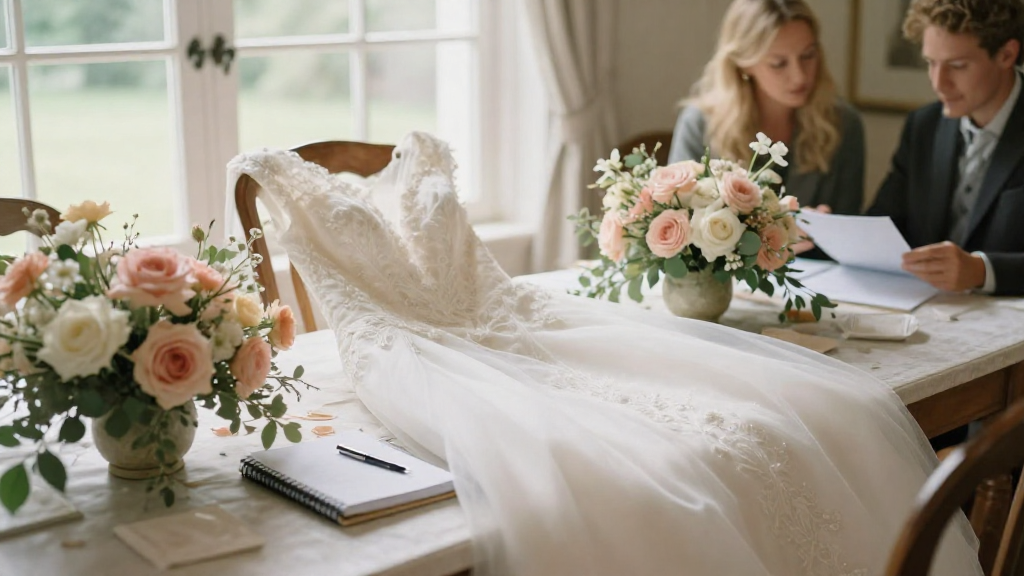
Thinking about how to begin planning a wedding?
You’re certainly not alone—wedding planning can be both exhilarating and overwhelming!
What Are the First Steps in Wedding Planning?
When you start to think about how to begin planning a wedding, it’s important to tackle the basics first. Here are key steps to kick off your planning journey:
-
Set a Budget
Establishing a budget is crucial for keeping your wedding plans in check.
Discuss with your partner what you would like to spend.
Consider potential contributions from family or friends.
Allocate funds for different aspects such as:
– Venue
– Catering
– Attire
– Photography
– Entertainment -
Create a Guest List
Draft a list of who you’d like to invite.
This size of your guest list will directly inform your venue choice and budget.
Divide into categories like close family and friends, or casual acquaintances.
A preliminary guest list will help you visualize the scope of your wedding. -
Choose a Wedding Date
Selecting a date is one of the first major decisions in how to begin planning a wedding.
Consider the season, holidays, or special dates meaningful to you as a couple.
Keep in mind the availability of venues and vendors during your desired timeframe. -
Select a Venue
Look for venues that reflect your vision, whether it’s an elegant ballroom, a rustic barn, or an outdoor garden.
Visit multiple locations and ask about:
– Availability
– Capacity
– Venue policies
– Packages or services included
How to Visualize Your Wedding Theme?
When you’re learning how to begin planning a wedding, choosing a theme will help guide your choices.
This will influence your decor, invitations, and overall style. Here are some popular themes to consider:
- Classic and Elegant: Think soft colors, formal attire, and traditional decor.
- Rustic and Charming: Consider natural elements, wooden accents, and a warm ambiance.
- Beach Vibes: Light, airy colors, flip-flops, and waves as your backdrop.
- Vintage Glamour: Incorporate old-school style with lace, pearls, and vintage decor pieces.
Your wedding theme should authentically represent you and your partner.
Collect photos or inspiration on platforms like Pinterest to clarify your vision.
Who Should You Hire to Help with Planning?
The right professionals can ease the burden of how to begin planning a wedding. Certain key players can facilitate the process:
-
Wedding Planner
A planner can coordinate the logistics, manage vendor relationships, and help implement your vision.
Especially beneficial if you’re overwhelmed by details. -
Photographer
Capturing memories is crucial. Research photographers and styles (documentary vs. traditional) to find one that aligns with your theme.
Schedule engagement sessions ahead of time for a trial run. -
Caterer
Consider food options that suit your guest list: plated meals, buffets, or food stations.
Schedule tastings to find the perfect menu, including options for dietary restrictions. -
Florist
A florist can help curate floral designs that tie into your theme and color palette.
Discuss your vision, budget, and any floral preferences you may have.
How to Choose Your Bridal Party?
Selecting your bridal party is a fun part of how to begin planning a wedding.
These are the people you trust to stand by your side on your special day. Consider the following:
- Size: Decide how many people you want in your bridal party.
- Relationships: Choose friends and family who support your relationship and understand your vision.
- Duties: Discuss what you would like them to help with, such as planning the bachelorette party or day-of duties.
Once you’ve chosen your bridal party, share the news in a memorable way—
personalized gifts or a heartfelt message can make it special.
What About Invitations and Save-the-Dates?
When considering how to begin planning a wedding, you also need to think about your invites. Properly timed invitations help in organizing your wedding logistics.
-
Save-the-Dates:
Send these out at least 6-8 months before your wedding to give guests ample notice.
Make sure to include your date, location, and a note that a formal invitation will follow. -
Invitations:
Design and order your invitations approximately 3-4 months out.
Ensure they match your wedding theme and provide all essential details:
– Date and time
– Venue address
– RSVP details -
Essentials to Include:
Consider including information about hotels or transportation options if many guests will travel for your wedding.
How to Manage the Wedding Timeline?
Creating a wedding timeline is vital for smoothly executing all your plans.
Here’s how to break it down:
-
Ceremony Timeline:
Define how long each segment will take:
– Prelude music
– Processional
– Ceremony itself
– Recessional -
Reception Timeline:
Plan out when guests will arrive, when to serve dinner, and when speeches will occur.
Include time for dancing and breaks for guests to mingle. -
Vendor Coordination:
Share your timeline with each vendor. This helps everyone stay on the same page regarding the schedule.
What to Do in the Last Few Months of Planning?
As your wedding day approaches, keep these final details in mind:
-
Review Contracts:
Revisit agreements with each vendor to ensure clarity around services provided. -
Final Payments:
Schedule final payments with your vendors ahead of time to prevent last-minute stress. -
Seating Chart and Final RSVPs:
Organize your seating chart based on confirmed guest attendance. -
Rehearsal:
Schedule a rehearsal dinner one or two days before the wedding to coordinate with participants. -
Self-Care:
Don’t forget to care for yourself! Taking time to relax will help you stay calm leading up to the big day.
Conclusion
As you ponder how to begin planning a wedding, remember that it’s about making your love story come to life.
Organizing the details may take time, but each decision is a step toward your unforgettable day.
By managing your budget, choosing a theme, hiring the right vendors, and creating a solid timeline,
you can navigate your wedding planning with confidence.
Good luck! Your beautiful day is just around the corner, and your journey has only just begun.