
Are you excited to dive into the world of art? Knowing how to begin a painting can be a crucial step in unlocking your inner creativity.
In this simple guide, we will explore the essential steps you need to take before picking up that paintbrush. Each section is crafted to guide you through the entire process, making it straightforward for you to get started.
What Supplies Do You Need?
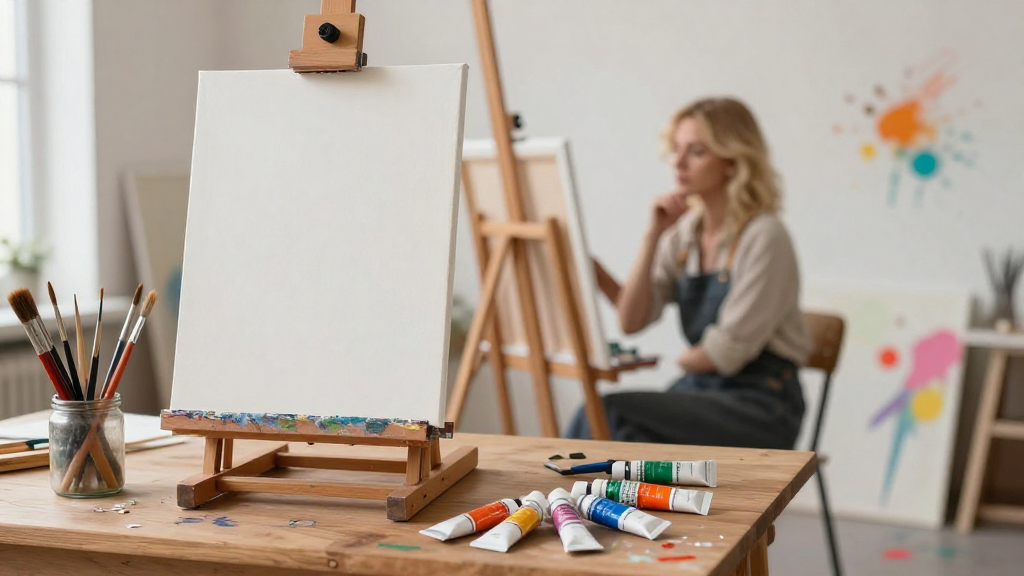
Before you embark on your artistic journey, it’s essential to gather the right supplies. Having the proper materials can make all the difference in how to begin a painting. Here’s a list of fundamental items you will need:
- Canvas or Paper: Depending on your preference. (Canvas is great for acrylic or oil paints, while paper works well for watercolors.)
- Paints: Choose your medium—acrylics, oils, or watercolors.
- Brushes: Different shapes and sizes can add variety to your work.
- Palette: For mixing paints.
- Easel: To hold your canvas while you paint.
- Water Container: Essential if you’re using water-based paints.
- Rags or Paper Towels: For cleaning brushes and hands.
When picking your supplies, don’t worry about purchasing the most expensive items. Start simple!
What’s the Subject of Your Painting?
When you’re figuring out how to begin a painting, deciding on a subject is pivotal.
Think about what inspires you. Below are some ideas to consider:
- Nature: Landscapes, flowers, or animals.
- Still Life: Objects like fruit, vases, or everyday items.
- Abstract: Use colors and shapes to express emotions.
- Portraits: Capture a friend, family member, or even a pet.
Once you settle on a subject, visualize how you want to portray it. Sketching your ideas on paper can help clarify your vision.
How Do You Prepare Your Canvas?
Preparation is key when learning how to begin a painting.
Depending on the surface you choose, you may need to prepare the canvas accordingly. Here are the steps to follow:
- Select Your Canvas: Choose between stretched canvas, canvas board, or watercolor paper.
- Gesso Option: If you use raw canvas or wood, apply a layer of gesso to prime the surface. This step helps the paint adhere better and prevents it from soaking in.
- Tonal Background: If you prefer, paint a base color on your canvas to set the mood. Using a neutral tone like gray, beige, or light blue can help create depth in your artwork.
This preparation sets the stage for a smooth painting experience and enhances the overall finish of your artwork.
What Is Your Color Palette?
Understanding your color palette is another crucial aspect of how to begin a painting.
A well-thought-out palette can make or break your piece.
Consider these tips when choosing colors:
- Choose a Limited Palette: Stick to a few colors to create harmony.
- Primary Colors: Red, blue, and yellow can be mixed to create secondary colors.
- Color Wheel: Familiarize yourself with complementary colors to make your painting pop.
Here’s a basic color palette to start with:
- Titanium White: A must-have for mixing and lightening colors.
- Ultramarine Blue: Perfect for skies and water.
- Cadmium Yellow: A vibrant choice for highlights.
- Cadmium Red: Ideal for creating rich, deep tones.
- Burnt Umber: Great for shadows and earthy tones.
Use the color palette to guide your work, maintaining balance and depth throughout your painting.
How Do You Create a Composition?
Now that you have your subject and color palette, it’s time to plan the composition. In art, composition refers to the arrangement of elements within your canvas. Knowing how to begin a painting often involves creating a solid foundational layout.
Follow these tips to enhance your composition:
- Rule of Thirds: Imagine dividing your canvas into a 3×3 grid. Place focal points along the grid lines or at intersections.
- Leading Lines: Create paths that draw the eye throughout the piece.
- Balance: Arrange elements to achieve visual weight and harmony.
- Focal Point: Ensure there’s a main subject that commands attention.
Drafting a simple sketch on your canvas before painting can save you time and frustration in the long run.
What Are the Basic Techniques to Try?
Now comes the exciting part—painting! When you understand how to begin a painting, getting your hands dirty becomes enjoyable.
Here are some essential techniques to consider as you paint:
- Blocking In: Start by painting the larger shapes and colors before focusing on details.
- Glazing: Layer thin washes of color for added depth.
- Scumbling: Lightly apply color over a dry layer for texture.
- Dry Brushing: Use a less-damp brush to create a rough texture on the surface.
As you experiment with these techniques, allow yourself the freedom to make mistakes. Some of the best artistic discoveries happen outside the plan!
Why is Experimentation Important?
When learning how to begin a painting, don’t shy away from experimentation.
Each painting is an opportunity to grow and develop your skills. Here’s why you should embrace experimentation:
- Enhances Creativity: Trying new techniques can lead to unique results.
- Builds Confidence: Challenging yourself helps you grow as an artist.
- Refines Your Style: You’ll discover what techniques resonate with you.
Remember, every painter has their own journey. Don’t be afraid to color outside the lines!
How Do You Know When It’s Finished?
Lastly, understanding when your painting is complete can be tricky. Here are some signs to look out for as you gauge whether you’re done:
- Feels Complete: You have a sense of satisfaction and balance.
- No More Changes: You find yourself only making minor tweaks.
- Consider Feedback: Sometimes getting an outside perspective can help clarify your intent.
Take the time to look at your finished work from a distance. This distance allows you to appreciate the overall effect rather than getting lost in details.
Conclusion
Now that you know how to begin a painting, it’s time to gather your supplies, unleash your creativity, and get started!
Whether you choose to paint landscapes, abstracts, or portraits, remember to enjoy the process.
Art is a personal journey, and each brushstroke brings you closer to discovering your unique voice. So pick up that brush and let your imagination flow. Happy painting!