
Choosing a podcast camera for beginners does not have to be complicated. The best options balance sharp video, easy controls, and a setup that helps you look polished without a steep learning curve.
Whether you are recording solo episodes, interviews, or livestreams, the right camera can make your show feel more professional from day one.
Best 10 Podcast Camera for Beginners Picks for 2026
Best for Easy Video Growth
Canon EOS R50 V Mirrorless Camera
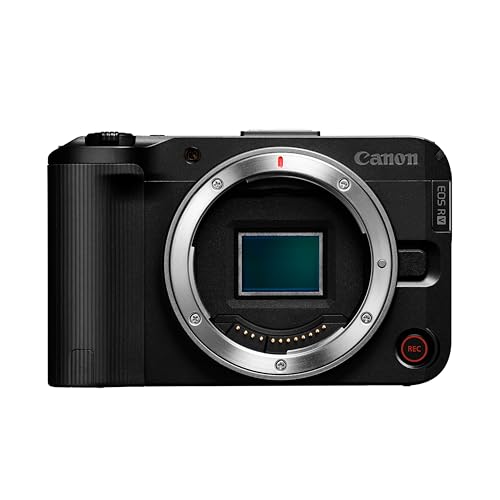
- Flip screen and front record button simplify solo recording.
- APS-C sensor with 4K video gives beginner podcasts a polished look.
- Interchangeable lenses let the setup grow with your channel.
Best For: New podcasters and creators who want an easy-to-use camera that can scale with their content.
Best for Easy Setup
Pro HD 1080p Webcam with Dual Mics

- 1080p/30fps video with auto-focus
- Dual noise-cancelling microphones
- Clip mount plus included tripod
Best For: Beginners who want a simple webcam for podcasting, calls, and casual streaming.
Best for Two-Person Podcasting
MAONO PD200W 2-Mic Wireless Bundle

- Wireless, USB, and XLR support
- Two mics with separate tracks
- Noise cancellation for clearer voices
Best For: Beginner duos and interview-style podcasts that want an easy starter kit with upgrade room.
Best Wireless Audio Upgrade
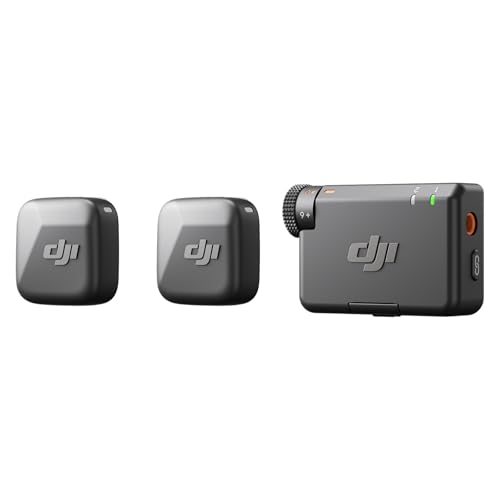
- Ultralight 10 g mics are easy to wear on camera
- Up to 400 m range helps keep audio stable
- Noise reduction and limiting support cleaner speech
Best For: Beginners who want a compact wireless mic kit for podcasting, interviews, and two-person videos.
Best for Easy Streaming

- 4K video with a 150° wide-angle lens
- Built-in stereo mics handle up to 120dB SPL
- USB webcam mode for easy podcast streaming
Best For: New podcasters and solo creators who want an easy all-in-one recorder with strong audio.
Best for Beginner Vlogging
4K Pocket Vlogging Camera with Rotating Lens

- Pocket-sized and travel friendly
- 4K video with 75MP photos
- Rotating lens, face tracking, and WiFi sharing
Best For: New creators who want a simple, compact camera for podcast clips and beginner video content.
Best for Webcam Podcasting
kimire 1080P Camcorder with Webcam Mode
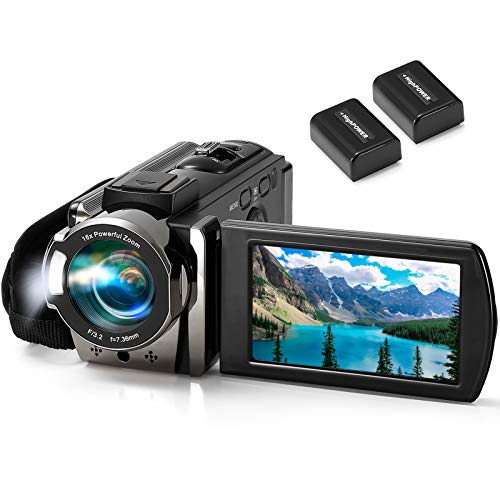
- Webcam mode for calls and basic livestreaming
- Two batteries plus record-while-charging support
- 270° rotating screen for easy solo framing
Best For: Beginners making podcast-style videos who want a budget camcorder that can also act as a webcam.
Best for Easy Video Growth – Canon EOS R50 V Mirrorless Camera
If you want a podcast camera for beginners that can grow with you, the Canon EOS R50 V is a smart entry point. Its flip screen, vertical video support, and creator-focused controls make it easier to frame solo recordings, livestreams, and short-form clips without a steep learning curve.
Best For: New podcasters and content creators who want an interchangeable-lens camera that’s simple to use for talking-head videos, streaming, and vertical social content.
Pros:
- 24.2MP APS-C sensor and DIGIC X processor deliver strong image quality for the class.
- Flip screen, front record button, and vertical tripod mount are ideal for solo setups.
- Dual Pixel CMOS AF II offers reliable subject tracking for face-centered podcast shots.
- Supports 4K recording and slow/fast modes for more flexible creator workflows.
Cons:
- Body only, so you’ll need to buy a lens separately.
- More advanced than basic point-and-shoot options, which may add setup time.
For a podcast camera for beginners, the R50 V stands out because it balances easy creator tools with room to improve your production as your setup expands. It’s especially appealing if you plan to film podcasts, Reels, or YouTube content from the same camera.
Best for Easy Setup – Pro HD 1080p Webcam with Dual Mics
If you want a straightforward podcast camera for beginners, this Pro HD 1080p webcam covers the basics well: clear 1080p video, built-in audio, and easy plug-and-play use across common apps. It’s a practical choice for first-time podcasters, especially if you’re filming from a desk, joining interviews, or recording simple talking-head videos.
Best For: Beginners who want an affordable, no-fuss webcam for podcasting, video calls, and basic streaming.
Pros:
- 1080p/30fps video with auto-focus for a clean, steady image
- Dual noise-cancelling microphones help keep voice pickup clear
- Includes both a monitor clip and tripod for flexible desk setup
- Privacy shutter and wide OS/app compatibility add convenience
Cons:
- Not a dedicated DSLR-style camera, so image quality is more entry-level
- Best results depend on decent lighting, despite low-light correction
For a podcast camera for beginners, this model makes the learning curve easier by combining video, audio, and mounting options in one simple package. It’s not a pro studio upgrade, but it is a solid starter webcam for getting on camera quickly and confidently.
Best for Easy Vlogging – 4K Autofocus Vlogging Camera
If you want a simple podcast camera for beginners that can also handle everyday videos, this 4K compact camera is a practical pick. It combines 56MP photos, 4K recording, autofocus, and a flip screen in an easy-to-learn layout, so new creators can focus on framing and speaking instead of fighting the controls.
Best For: Teens, first-time vloggers, and beginners who want a straightforward camera for podcasts, YouTube clips, and casual content creation.
Pros:
- 4K video and 56MP photos deliver sharper results than a phone for simple studio-style setups.
- 180° flip screen and autofocus make self-recording, talking-head videos, and vlogs easier.
- 16X zoom and fill light add flexibility for indoor filming or occasional distant shots.
- USB transfer and webcam mode help it double as a beginner-friendly streaming camera.
Cons:
- 16X zoom is digital, so image quality drops when you push it too far.
- Not a dedicated audio-first podcast setup, so you may still want an external mic.
- Best results come from simple use cases rather than advanced manual control.
For a podcast camera for beginners, this model makes sense if you want an affordable all-in-one starter camera with a flip screen, quick autofocus, and webcam support. It is less about pro-level production and more about making it easy to start recording clean-looking video right away.
Best for Two-Person Podcasting – MAONO PD200W 2-Mic Wireless Bundle
If you want a podcast camera for beginners setup that is more about capturing clean, reliable dialogue than juggling a lot of gear, the MAONO PD200W bundle is a strong fit. It gives new creators a simple path to wireless or USB recording, while still offering XLR support if you grow into a more advanced workflow.
Best For: Beginner podcasters, co-hosted interviews, and content creators who want an easy two-mic kit with room to upgrade.
Pros:
- Wireless, USB, and XLR connectivity make setup flexible for new and growing creators
- Two microphones with separate tracks are ideal for interviews and co-hosted shows
- Cardioid pickup and noise cancellation help keep voices clear in less-than-perfect rooms
- Includes both desktop stands and the core accessories needed to start recording right away
Cons:
- Camera accessories are sold separately, so video podcast setups may need extra purchases
- The feature set may be more than a solo beginner needs
Overall, this bundle is a practical choice if you’re building a podcast camera for beginners setup around two hosts and want cleaner audio without a steep learning curve. The wireless convenience, dual-mic design, and app controls make it easier to focus on content instead of troubleshooting gear.
Best for AI Tracking – EMEET PIXY Dual-Camera PTZ 4K Webcam
If you want a podcast camera for beginners that helps you stay framed without constant manual tweaking, the EMEET PIXY kit is built for exactly that kind of workflow. Its dual-camera AI system, fast autofocus, and included tripod make it easier to get clean, steady shots for solo podcasting, interviews, and live content.
Best For: Beginner creators who want automatic framing, clear 4K video, and decent built-in audio for podcasting, streaming, or teaching.
Pros:
- AI tracking and 310° pan / 180° tilt help keep you centered as you move.
- 4K main camera with PDAF and AI autofocus delivers sharp, quick focus.
- 3-mic array offers multiple audio modes for podcasts, streams, and recordings.
- Included adjustable tripod adds easy angle control right out of the box.
Cons:
- Advanced tracking features may be more than some simple home setups need.
- Best results may require learning EMEET STUDIO and its preset tools.
- 4K mode has less framing flexibility than lower-resolution modes.
This is a strong podcast camera for beginners if you value automation over manual camera work. The PIXY’s tracking, autofocus, and built-in mic options reduce the number of extra gear purchases you need to start recording confidently.
Best Wireless Audio Upgrade – DJI Mic Mini (2 TX + 1 RX)
If you want cleaner voice capture for a podcast camera for beginners, the DJI Mic Mini is a simple wireless upgrade that helps your audio sound more polished right away. The tiny transmitters are easy to wear, the range is strong, and the receiver setup is straightforward for solo or two-person recordings.
Best For: Beginners who want a compact wireless mic kit for podcasts, interviews, vlogs, and simple two-host setups.
Pros:
- Ultralight 10 g transmitters are discreet and comfortable on camera
- Stable wireless audio with up to 400 m transmission range
- Noise cancellation and automatic limiting help keep speech clear
- Two transmitters and one receiver suit interviews and two-person content
Cons:
- It improves audio, but it is not a camera by itself
- Battery life is good, though heavy all-day creators may still want the charging case version
- Not waterproof, so it needs a bit of care outdoors
For anyone building a podcast camera for beginners setup, this kit is more about making the video feel professional through reliable voice quality. If you need a low-fuss way to sound better fast, it is an especially practical pick.
Best for Easy Streaming – Zoom Q2n-4K Video Recorder
If you want a straightforward podcast camera for beginners, the Zoom Q2n-4K is built around simplicity: compact size, built-in stereo mics, and a one-cable USB streaming setup. It’s especially appealing if you care as much about clean audio as you do about video, and you want a tool that can handle recording, webcam use, and live streaming without a steep learning curve.
Best For: New podcasters, solo creators, and musicians who want an easy all-in-one camera with solid audio and streaming support.
Pros:
- 4K video with a wide 150° lens for a simple, set-it-and-forget-it framing approach
- Built-in X/Y microphones rated up to 120dB SPL for clean sound in louder environments
- USB webcam mode makes it easy to stream or record podcasts without extra gear
- Pocket-sized body with a tripod mount for quick setup anywhere
Cons:
- Wide-angle look may not suit creators who want a tighter, more cinematic frame
- Designed more for convenience than advanced camera controls
For a podcast camera for beginners, this Zoom stands out when you want reliable audio, simple setup, and live-streaming flexibility in one compact device. It’s not the most flexible studio camera, but it covers the basics very well for creators who want to start fast.
Best for Beginner Vlogging – 4K Pocket Vlogging Camera with Rotating Lens
If you want a podcast camera for beginners that also doubles as a travel-friendly vlogging tool, this pocket-sized 4K camera is built for simple shooting and fast sharing. The lightweight body, rotating gimbal-style lens, and included tripod/16GB card make it easy to start creating without piecing together a separate kit.
Best For: New creators who want an easy, compact camera for podcast clips, short-form video, and beginner YouTube content.
Pros:
- Compact pocket design is easy to carry and use on the go
- 4K video and 75MP photo specs give beginners room to grow
- 330° rotating lens and face tracking help with framing and selfies
- WiFi transfer speeds up sharing to phones and social platforms
Cons:
- Not as specialized for audio capture as a true podcast setup
- Small-camera ergonomics may feel limited for longer recording sessions
- Best suited to casual creators rather than advanced videographers
For a podcast camera for beginners, this is a practical starter option if you care more about easy video capture, portability, and quick uploads than pro-level controls. It is a solid all-in-one pick for creators who want a simple first camera they can carry anywhere.
Best Heavy-Duty Pick – EMEET PIXY 4K Dual-Camera PTZ Webcam
If you want a podcast camera for beginners that can keep framing and focus under control without a steep learning curve, the EMEET PIXY is built around that job. Its dual-camera design, fast PDAF autofocus, and AI tracking make it easier to get polished, camera-ready video for solo shows, interviews, and live streams.
Best For: New podcasters, streamers, and presenters who want automatic tracking, clear 4K video, and built-in audio in one compact webcam.
Pros:
- Dual-camera AI system helps with faster autofocus, exposure, and subject tracking.
- 4K 30fps video, 310° pan, and 180° tilt make it flexible for talking-head and moving shots.
- 3-mic array adds usable built-in audio for podcasts, courses, and streams.
- Presets, gesture control, and EMEET STUDIO make setup and framing beginner-friendly.
Cons:
- 4K mode is locked to 30fps, so it is not ideal if you want high-frame-rate recording.
- Tripod is sold separately if you need placement options beyond the included clip.
- Advanced features may be more than a first-time user needs for very simple desk recordings.
As a podcast camera for beginners, the PIXY stands out because it combines tracking, autofocus, and audio in one device instead of making you piece together extra gear. That makes it a strong pick if you want cleaner-looking videos with less setup and fewer moving parts.
Best for Webcam Podcasting – kimire 1080P Camcorder with Webcam Mode
If you want a low-cost podcast camera for beginners that can also double as a webcam, the kimire camcorder is a simple place to start. It offers basic Full HD recording, a flip-out screen, and computer connectivity, making it practical for entry-level talking-head videos, livestreams, and video calls.
Best For: Beginners who need an affordable camcorder for podcast-style recordings, webcam use, and casual content creation.
Pros:
- Webcam mode works with a computer for live calls and streaming setups
- Includes two batteries and supports recording while charging
- 270-degree rotating LCD helps with framing solo recordings
- Compact build is easy to place on a tripod for desk setups
Cons:
- 1080P video is limited to 15fps, so motion is not especially smooth
- Low-light performance and audio quality are not ideal for polished podcasts
- Requires extra setup, including AMCAP software, for webcam use
For a beginner who mainly wants an inexpensive video option for a small studio, this kimire model is more about convenience than pro-level image quality. As a podcast camera for beginners, it makes sense if you value webcam support, portability, and simple controls over advanced recording features.
How We Picked the Best Podcast Camera for Beginners
We focused on models that are easy to use, practical for first-time creators, and suited to common podcast setups. That means strong autofocus, flip or rotating screens, clean 1080p or 4K video, webcam-friendly features, and straightforward connectivity. We also considered audio flexibility, since many beginners will want to add an external mic or wireless audio later.
Quick Comparison: What Matters Most
Some options are better as all-in-one cameras for video podcasts, while others make more sense as webcams or dedicated recording tools. Mirrorless cameras offer the most upgrade potential. Compact digital cameras are often simpler and cheaper. Webcam-style and PTZ cameras are easier for desk setups, and hybrid audio bundles can be ideal if your priority is sound first.
Key Buying Factors for a Podcast Camera for Beginners
Video Quality and Frame Rate
For most new creators, 1080p is enough to start, but 4K gives more room to crop and future-proof your content. If your podcast will include movement or screen sharing, prioritize a camera that records smoothly at 30fps or better.
Autofocus and Framing
Reliable autofocus matters more than fancy specs for beginners. Fast face tracking, subject detection, and a flip screen make it easier to stay in frame and look natural on camera.
Audio Support
Even the best image will not save poor sound. Look for a camera that works well with USB microphones, wireless lavalier mics, or XLR audio if you plan to grow. If your workflow is audio-first, a hybrid podcast kit can be a smarter starting point than a camera alone.
Ease of Setup
A true beginner-friendly choice should reduce friction. Simple menus, plug-and-play USB modes, webcam support, and stable tripod mounting can save a lot of time.
Who Should Buy Which Podcast Camera for Beginners?
If you want the most flexible long-term option, choose a mirrorless camera. If you want the easiest desk or studio setup, a webcam or PTZ camera is usually the fastest path. If you record interviews with a co-host, a wireless mic bundle can improve production value immediately. If you want a compact travel-friendly setup, a lightweight digital camera may be the most practical pick.
In short, the best Podcast Camera for Beginners is the one that fits your space, your audio setup, and how often you plan to record. Start with the simplest system that gives you reliable image quality, then upgrade as your show grows.