
If you’re shopping for an ergonomic keyboard for beginners, the best choice is usually the one that feels easy to use right away. Comfort, familiar key spacing, and a layout that doesn’t create a steep learning curve matter more than flashy extras.
This roundup focuses on keyboards that balance usability, support, and value, with options for wired, wireless, split, and cushioned designs.
Best 10 Ergonomic Keyboard for Beginners Picks for 2026
Wave Comfort Pick
Logitech Wave Keys Wireless Ergonomic Keyboard

- Wavy layout supports a more natural typing position.
- Memory-foam palm rest adds cushioned wrist support.
- Bluetooth and Logi Bolt make device switching easy.
Best For: Beginners wanting a comfortable wireless ergonomic keyboard
Wired Simplicity Pick
Kensington Pro Fit Ergonomic Wired Keyboard
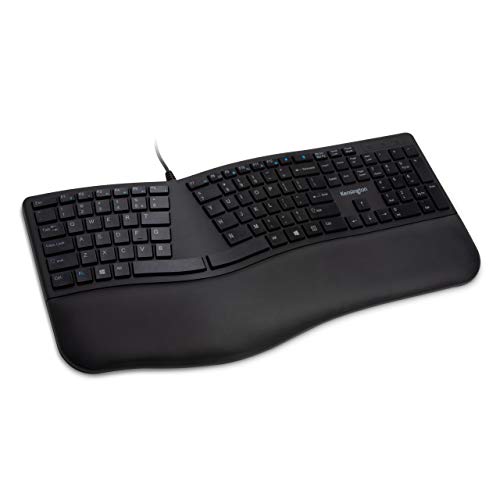
- Built-in cushioned wrist rest supports neutral alignment.
- Quiet keys and spill-proof design suit everyday use.
- Simple wired setup keeps things easy for beginners.
Best For: Beginners who prefer a plug-and-play wired ergonomic keyboard
Adjustable Wireless Pick
TECKNET Wireless Ergonomic Keyboard

- Split, curved key layout aims for a natural typing posture.
- Memory foam wrist rest and tilt feet boost comfort.
- Bluetooth plus 2.4GHz support multiple devices.
Best For: Beginners who want more adjustability and wireless flexibility
All-in-One Starter Pick
Trueque KM23 Wireless Ergonomic Keyboard and Mouse Combo

- Keyboard and mouse combo simplifies setup.
- Palm rest, tilt legs, and full-size layout improve comfort.
- One USB receiver keeps wireless use easy.
Best For: Beginners who want a full desk setup in one package
Beginner Pick
Wired split ergonomic keyboard for natural typing

- Split layout supports a more natural hand position
- Tactile, long-travel keys feel familiar for new users
- Wired USB setup is simple and reliable
Best For: New ergonomic users who want a familiar wired keyboard with wrist support
Wireless Comfort Pick
Wireless ergonomic keyboard with quiet backlit comfort

- Wave layout and wrist rest support relaxed typing
- Quiet membrane keys work well in shared spaces
- Rechargeable wireless design adds everyday convenience
Best For: Beginners who want ergonomic comfort with wireless freedom and backlighting
Straightforward Starter
Split ergonomic keyboard with cushioned wrist rest

- Split layout helps encourage natural hand positioning
- Cushioned wrist rest adds comfort for long sessions
- Full-size wired design is easy to plug in and use
Best For: Beginners who want a simple full-size ergonomic keyboard with a wrist rest
Best Wired Starter
Arteck Ergonomic USB Wired Keyboard

- Split design and cushioned wrist rest support comfort.
- USB wired connection works instantly with no pairing.
- Backlighting adds visibility in low-light settings.
Best For: Beginners who want a simple wired ergonomic keyboard
Best Rechargeable Value
Arteck Split Ergonomic Keyboard

- Split keyset and palm rest improve typing comfort.
- Wireless setup uses a simple nano USB receiver.
- Rechargeable battery lasts up to 6 months.
Best For: Beginners who want a rechargeable wireless ergonomic keyboard
Wave Comfort Pick – Logitech Wave Keys Wireless Ergonomic Keyboard
If you’re shopping for an ergonomic keyboard for beginners, the Logitech Wave Keys is a friendly place to start. Its wavy, compact layout is designed to place your hands, wrists, and forearms in a more natural typing position, while the cushioned memory-foam palm rest adds extra support for long sessions.
Best For: Beginners who want a comfortable, low-friction ergonomic upgrade with easy wireless switching.
Pros:
- Wavy design encourages a more natural typing posture.
- Cushioned memory-foam palm rest helps reduce wrist pressure.
- Easy-Switch and Bluetooth/Logi Bolt support make it simple to use with multiple devices.
- Ergo-certified design adds reassurance for first-time buyers.
Cons:
- Membrane switches may not appeal to users who prefer a mechanical feel.
- Compact layout may feel smaller than a full-size keyboard.
Overall, this is a practical beginner ergonomic keyboard if you want comfort and convenience without a complicated setup. It focuses on support, simple wireless use, and everyday typing comfort rather than advanced customization.
Wired Simplicity Pick – Kensington Pro Fit Ergonomic Wired Keyboard
The Kensington Pro Fit is a straightforward ergonomic keyboard for beginners who want a no-nonsense wired setup. It combines a built-in cushioned wrist rest with neutral grip support, quiet keys, and spill-resistant construction for everyday office or home use.
Best For: Beginners who want an easy wired ergonomic keyboard with a wrist rest and minimal setup.
Pros:
- Built-in wrist rest supports a more neutral hand position.
- Quiet keys keep typing smooth and less disruptive.
- Spill-proof design adds practical durability.
- Wired connection means simple plug-and-play use.
Cons:
- Wired design limits desk flexibility.
- No wireless or multi-device switching features.
This is a solid pick for beginners who want ergonomic support without learning any special software or connectivity tricks. It keeps the experience simple while still covering the basics that matter most: comfort, quiet typing, and easy cleanup.
Adjustable Wireless Pick – TECKNET Wireless Ergonomic Keyboard
This TECKNET model is a feature-rich ergonomic keyboard for beginners who want more adjustability as they get used to an ergonomic layout. Its split design, curved key arrangement, and built-in memory foam wrist rest are meant to reduce strain while keeping typing comfortable and fluid.
Best For: Beginners who want a wireless ergonomic keyboard with adjustable angles and multi-device support.
Pros:
- Split layout and curved keys promote a more natural hand position.
- Memory foam wrist rest adds all-day support.
- Bluetooth and 2.4GHz wireless let you connect multiple devices.
- Four tilt settings help tailor the typing angle.
Cons:
- Windows-focused compatibility may be limiting for some users.
- More features may be more than a casual beginner needs.
For newcomers who want to explore ergonomic typing with extra flexibility, this keyboard offers a lot in one package. The adjustable feet and multi-device wireless options make it easier to dial in a setup that feels right as your comfort preferences develop.
All-in-One Starter Pick – Trueque KM23 Wireless Ergonomic Keyboard and Mouse Combo
The Trueque KM23 is an ergonomic keyboard for beginners who want a complete desk setup in one box. Along with the full-size keyboard, it includes a matching mouse, built-in palm rest, adjustable tilt legs, and a phone holder to keep daily work more organized.
Best For: Beginners who want a bundled keyboard-and-mouse combo with simple setup and everyday comfort.
Pros:
- Includes both keyboard and mouse for a ready-to-use setup.
- Built-in palm rest and tilt legs support more comfortable typing.
- Full-size layout includes a number pad for office tasks.
- Single USB receiver keeps setup simple.
Cons:
- Uses AAA batteries instead of a rechargeable design.
- Right-hand mouse design may not suit everyone.
This combo is a convenient choice if you want ergonomic basics without piecing together separate accessories. It is especially appealing for beginners who value convenience, a full-size layout, and an uncomplicated wireless setup.
Beginner Pick – Wired split ergonomic keyboard for natural typing
If you want an ergonomic keyboard for beginners that feels familiar while still easing wrist strain, the Perixx PERIBOARD-512B is a straightforward place to start. Its one-piece split layout, curved rows, and cushioned wrist support are designed to encourage a more natural hand position without adding extra complexity.
Best For: Beginners who want a wired, no-fuss ergonomic keyboard with a traditional feel and tactile key response.
Pros:
- Split one-piece design helps reduce wrist bending and supports a more natural typing posture.
- Long key travel and tactile feedback give typing a more responsive, familiar feel.
- Curved rows and curved keycaps are built to improve comfort during long sessions.
- Wired USB connection keeps setup simple and dependable.
Cons:
- Ergonomic shape may take 1–2 weeks to feel fully natural.
- No backlighting for low-light use.
- Membrane switch design may not suit users who want a mechanical feel.
Overall, this is a solid beginner-friendly ergonomic keyboard if you want comfort, durability, and a learning curve that stays manageable. It focuses on the basics well, which makes it especially appealing for office typing and everyday productivity.
Wireless Comfort Pick – Wireless ergonomic keyboard with quiet backlit comfort
For anyone shopping for an ergonomic keyboard for beginners and also wanting wireless convenience, the COLIKES model brings comfort features without a steep setup. The wave-style layout, soft wrist rest, and quiet membrane keys aim to make long typing sessions feel easier, while the RGB backlighting adds flexibility in different lighting conditions.
Best For: Beginners who want a wireless ergonomic keyboard with quiet keys, backlighting, and a wrist rest.
Pros:
- Wave ergonomic design and soft wrist rest are meant to reduce wrist fatigue.
- Quiet membrane keys suit office, library, or late-night use.
- Wireless 2.4GHz connection is plug-and-play with a stored USB receiver.
- Rechargeable battery and adjustable RGB lighting add convenience and customization.
Cons:
- Wireless and lighting features add extra settings compared with a basic starter keyboard.
- Backlight use reduces battery life compared with backlight off.
- Membrane keys may not appeal to users seeking a tactile mechanical feel.
This is a practical choice if you want beginner-friendly ergonomic comfort with modern extras like RGB and wireless freedom. It balances ease of use with a few more features, so it works best for users who want comfort plus customization.
Straightforward Starter – Split ergonomic keyboard with cushioned wrist rest
The X9 is a sensible ergonomic keyboard for beginners if you prefer a wired, full-size layout that does not overcomplicate the learning process. Its split keyset, cushioned wrist rest, and plug-and-play setup are aimed at improving comfort while keeping the transition from a standard keyboard relatively simple.
Best For: Beginners who want a full-size wired ergonomic keyboard with a wrist rest and a clean, distraction-free layout.
Pros:
- Split ergonomic design promotes a more natural hand position.
- Cushioned wrist rest adds support for longer typing sessions.
- Full-size 110-key layout includes a numeric keypad and shortcut keys.
- Plug-and-play USB connection keeps setup easy.
Cons:
- No backlighting, which may be a drawback in dim rooms.
- Ergonomic split layout may still take time to get used to.
- Wired-only design offers less flexibility than a wireless keyboard.
As a starter ergonomic keyboard, the X9 keeps the design practical and focused on comfort rather than extra features. That makes it a good match for users who want a straightforward work keyboard with a built-in learning-friendly layout.
Best Wireless Pick – Nulea RT07B Wireless Ergonomic Split Keyboard
If you want an ergonomic keyboard for beginners that feels easy to live with, the Nulea RT07B is a practical wireless option. Its split layout encourages a more natural wrist and forearm position, while the cushioned palm rest adds comfort during longer typing sessions. Bluetooth and 2.4G support also make it simple to move between compatible devices without much setup hassle.
Best For: New users who want a wireless split keyboard with a built-in wrist rest and simple dual-mode connectivity.
Pros:
- Split ergonomic design helps reduce forearm twisting.
- Soft palm rest supports wrists during extended typing.
- Bluetooth and 2.4G wireless modes offer flexible connectivity.
- Rechargeable battery is rated for up to 200 hours.
Cons:
- Only compatible with Windows and Mac systems listed in the notes.
- Membrane-style description may not appeal to switch-focused shoppers.
The RT07B is a straightforward starter choice if comfort is your priority and you do not want to deal with constant battery changes. It balances ergonomic features with wireless convenience in a way that should feel approachable for first-time split-keyboard users.
Best Wired Starter – Arteck Ergonomic USB Wired Keyboard
The Arteck ergonomic keyboard for beginners is a simple plug-and-play pick if you want comfort without worrying about charging or pairing. Its split design and cushioned wrist rest are aimed at keeping your wrists and forearms in a more relaxed position, and the wired USB connection means you can start typing right away. The built-in backlighting is a useful bonus if you often work in dimmer spaces.
Best For: Beginners who want an easy wired ergonomic keyboard with a wrist rest and backlighting.
Pros:
- Split ergonomic layout encourages a more natural hand position.
- Soft cushioned wrist rest adds comfort for longer sessions.
- USB wired setup is instant and simple.
- 7 backlight colors with 3 brightness levels improve visibility.
Cons:
- Wired design may feel less flexible on a cluttered desk.
- Only listed for Windows compatibility.
This model is a strong entry point if you want a no-fuss ergonomic upgrade. It keeps the learning curve low while still adding the core comfort features most beginners look for.
Best Rechargeable Value – Arteck Split Ergonomic Keyboard
If you are shopping for an ergonomic keyboard for beginners and want a wireless setup, the Arteck Split Ergonomic Keyboard keeps things simple. It uses a split keyset and cushioned wrist and palm rest to support a more natural typing posture, and the nano USB receiver makes setup quick. The rechargeable battery is another beginner-friendly touch, especially if you prefer fewer cables on your desk.
Best For: New users who want a rechargeable wireless split keyboard with basic comfort features.
Pros:
- Split keyset supports a more relaxed wrist and forearm position.
- Cushioned wrist and palm rest adds comfort.
- Nano USB receiver makes setup easy.
- Rechargeable battery is rated for up to 6 months per charge.
Cons:
- Listed compatibility is for Windows systems.
- No backlighting is mentioned in the supplied notes.
This is a good middle-ground option if you want wireless convenience without adding complexity. It focuses on the core ergonomic essentials, which makes it a sensible pick for first-time split-keyboard buyers.
How We Picked the Best Ergonomic Keyboard for Beginners
We focused on beginner-friendly ergonomic designs that reduce strain without making typing feel unfamiliar. That means prioritizing comfortable wrist support, practical key layouts, reliable connectivity, and features that are easy to live with from day one. We also considered whether each keyboard seems approachable for someone who is switching from a standard flat keyboard.
Quick Comparison
Most buyers choosing an Ergonomic Keyboard for Beginners will fall into one of three camps: a gentle wave-style layout for minimal adjustment, a split keyboard for more serious ergonomic support, or a cushioned full-size model for the easiest transition. Wireless models suit cleaner desks and flexible placement, while wired options are ideal if you want zero charging and simple plug-and-play use.
Key Buying Factors for Ergonomic Keyboard for Beginners
Layout Style
Wave and curved keyboards usually feel closest to a standard keyboard, making them a smart first step. Split keyboards can offer better arm and shoulder positioning, but they may take more time to get used to.
Wrist and Palm Support
A built-in rest can make a big difference during longer sessions. For beginners, it helps reduce pressure while you adapt to a new typing position.
Connection Type
Wired keyboards are simple and dependable. Wireless models add flexibility, but you should check whether they use Bluetooth, a USB receiver, or both so they match your devices.
Typing Feel and Size
Look for quiet keys, full-size layouts if you need a number pad, and key travel that feels comfortable rather than too soft or too stiff. The easier the typing experience, the more likely you are to stick with it.
Setup and Compatibility
Beginners usually benefit from keyboards that work immediately with Windows, Mac, ChromeOS, or laptops without extra software or custom profiles.
Who Should Buy Which Ergonomic Keyboard for Beginners?
If you want the least intimidating option, choose a wave-style or cushioned full-size keyboard. If you already know you want stronger ergonomic benefits, a split keyboard is the better long-term pick. If you work across multiple devices, a wireless model with Bluetooth or multi-device switching is especially useful. The best Ergonomic Keyboard for Beginners is the one that makes typing feel easier, not more complicated.