
Starting a garden can seem daunting, but with the right guidance, anyone can learn how to begin a garden from scratch.
In this article, we’ll break down the process into easy-to-follow steps, providing you with helpful tips, noteworthy considerations, and essential knowledge to get your garden thriving in no time.
Why Should You Start a Garden?
Gardening has numerous benefits, including:
- Fresh Produce: Enjoy the taste of homegrown fruits and vegetables.
- Physical Activity: Gardening involves movement and can help you stay active.
- Mental Health: Engaging with nature can reduce stress and improve your mood.
- Environmental Impact: A garden can support local wildlife and reduce your carbon footprint.
Now that you know some of the advantages, let’s dive into how to begin a garden from scratch.
What Do You Need to Get Started?
To effectively learn how to begin a garden, you must first gather the essentials. Here’s a checklist to kick off your gardening journey:
- Seeds or Seedlings: Choose plants that thrive in your climate zone.
- Soil: Opt for high-quality garden soil or potting mix.
- Tools: Basic tools include a trowel, hoe, rake, and watering can.
- Fertilizer: Consider organic or chemical fertilizers based on your preference.
- Water: Ensure you have a reliable water source.
Where Should You Plant Your Garden?
Selecting the right location is crucial for your garden’s success.
When considering how to begin a garden, here are some tips for choosing the perfect spot:
- Sunlight: Most vegetables require around 6-8 hours of sunlight daily.
- Drainage: Ensure the area has good drainage to prevent waterlogging.
- Accessibility: Choose a location that’s easy to reach for regular care.
- Protection: Consider windbreaks or fencing if animals are a concern.
When is the Best Time to Start a Garden?
Timing can significantly impact your garden’s yield.
Generally, the best time to begin a garden is in the spring after the last frost. Here’s a simple breakdown of timing:
- Spring: Ideal for planting most vegetables and flowers.
- Summer: Suitable for choosing fast-growing crops.
- Fall: Perfect for planting fall vegetables and preparing for winter.
How to Prepare the Soil?
Preparing the soil is an essential step in how to begin a garden. Here’s how to do it effectively:
- Clear the Area: Remove weeds, rocks, and debris from the garden space.
- Test the Soil: Use a soil test kit to check pH levels and nutrients.
- Amend the Soil: Add organic matter, such as compost or well-rotted manure, to improve soil texture and fertility.
- Tilling: Use a tiller or garden fork to mix the soil thoroughly.
What Should You Plant in Your Garden?
Choosing the right plants is critical for beginners.
When learning how to begin a garden, consider these beginner-friendly options:
- Vegetables: Tomatoes, carrots, salad greens, and cucumbers thrive easily.
- Herbs: Basil, mint, and cilantro are easy to grow and perfect for cooking.
- Flowers: Marigolds, zinnias, and sunflowers add beauty and attract pollinators.
How to Plant Your Seeds or Seedlings?
Now that your soil is prepared and you’ve chosen your plants, it’s time to plant. Here’s a simple guide:
- Read the Labels: Always check the seed packet for depth and spacing recommendations.
- Make Furrows: Use a hoe or your hand to create furrows for seeds.
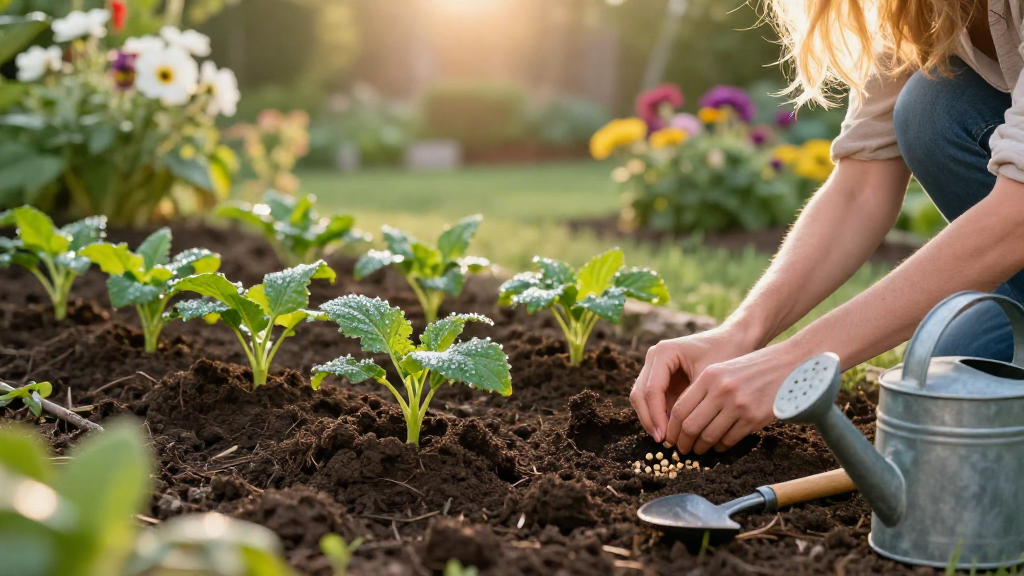
- Sow the Seeds: Place the seeds at the recommended depth and cover them gently with soil.
- Seedlings: If using seedlings, dig a hole slightly larger than the root ball, and plant them at the same depth they were previously growing.
How to Care for Your Garden?
Once you have planted your garden, it’s imperative to maintain it.
Here are several key maintenance tips on how to begin a garden successfully:
- Watering: Keep the soil consistently moist but not soggy. Water in the early morning or late afternoon.
- Mulching: Apply organic mulch to retain moisture and suppress weeds.
- Fertilizing: Use organic fertilizers every few weeks, following the instructions on the product.
- Weed Control: Regularly check for weeds and remove them by hand or use a hoe.
How to Handle Pests and Diseases?
Dealing with pests and diseases can be challenging for gardeners.
To minimize these issues while learning how to begin a garden, consider these strategies:
- Regular Monitoring: Inspect your plants regularly for any signs of pests or diseases.
- Natural Predators: Encourage beneficial insects like ladybugs and lacewings, which eat harmful pests.
- Organic Treatments: Use insecticidal soap, neem oil, or homemade solutions to manage infestations.
- Crop Rotation: Rotate your crops each season to reduce disease recurrence.
When Do You Harvest Your Crops?
Harvesting is the moment every gardener looks forward to.
Follow these tips for successful harvesting:
- Know the Right Timing: Each plant has its own harvest window, typically indicated on seed packets.
- Use the Right Tools: Use clean scissors or garden shears to cut plants without damaging them.
- Harvest Regularly: Frequent harvesting encourages plants to produce more.
How to Maintain Your Garden Year-Round?
Gardening doesn’t end with the harvest. Learning how to begin a garden also includes understanding seasonal care such as:
- Fall Preparation: Clear debris, plant cover crops, and amend the soil for winter.
- Winter Care: Use mulch to protect roots and prevent soil erosion.
- Spring Revitalization: Clear any winter damage and prepare the soil for replanting.
Conclusion
Learning how to begin a garden from scratch is a fulfilling journey that offers both challenges and rewards.
By following these steps, gathering the right tools, and dedicating time and effort, you can cultivate a beautiful and productive garden.
Remember, gardening is a continuous learning process, and every season will bring new lessons.
So roll up your sleeves, plant those seeds, and watch your garden flourish!