
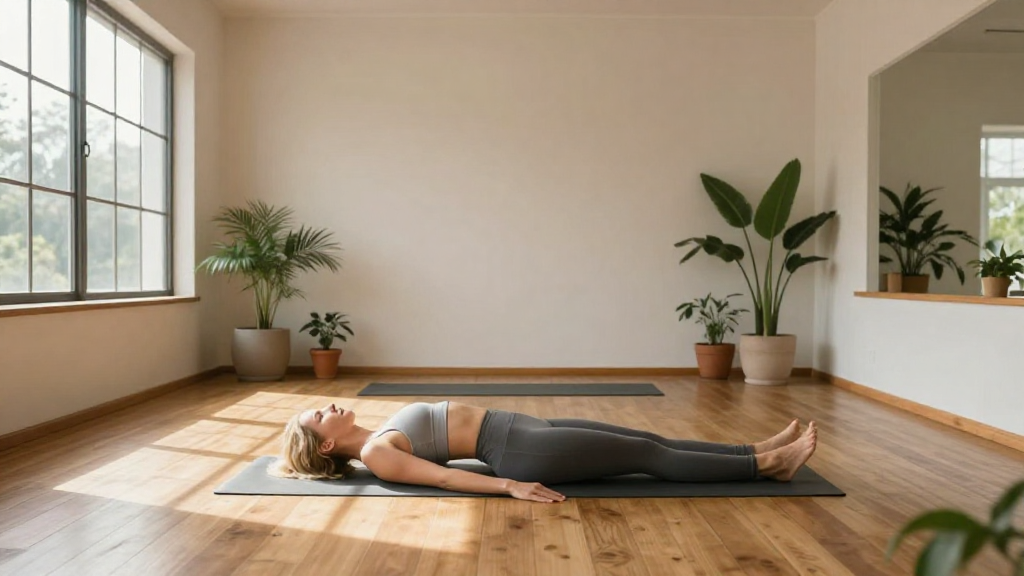
Are you interested in learning how to begin yoga?
Yoga has become increasingly popular among people of all ages and backgrounds.
It’s more than just a fitness routine; yoga offers a holistic approach to well-being, blending physical postures, breath control, and meditation.
If you’re new to yoga, don’t worry! This guide will provide you with everything you need to know how to begin yoga confidently.
What Do You Need to Start Yoga?
Before diving into your yoga journey, let’s discuss what you need to successfully begin yoga:
-
A Comfortable Space
Find a quiet area where you feel relaxed, free from distractions. -
Yoga Mat
A non-slip yoga mat is essential for cushioning and stability. -
Comfortable Clothing
Wear breathable clothing that allows for easy movement. -
Props (if needed)
Beginners may benefit from yoga blocks, straps, or blankets to assist with postures. -
An Open Mind
Perhaps the most crucial element, approach your practice with patience and a willingness to learn.
Which Yoga Style is Right for You?
Understanding how to begin yoga includes knowing different styles.
Here’s a quick overview of popular yoga styles for beginners:
- Hatha Yoga: A gentle introduction to poses and breathing exercises.
- Vinyasa Yoga: A more dynamic style that links breath to movement.
- Restorative Yoga: Perfect for deep relaxation with extended holds in soothing postures.
- Iyengar Yoga: Focuses on alignment and uses props to help you achieve correct postures.
- Kundalini Yoga: Combines movement, breath, and chanting to awaken your spiritual energy.
Each style offers unique benefits, so try out a few to see which resonates best with you.
How Do You Choose a Class?
Navigating the world of yoga classes can be daunting.
Here’s how to find the right one for you:
-
Local Studios: Check community studios and gyms for beginner classes.
-
Online Resources: Platforms like YouTube or dedicated yoga websites offer free sessions.
-
Workshops: Many studios host beginner workshops, providing foundational knowledge and techniques.
-
Personal Instruction: Consider hiring a private instructor for personalized guidance.
Don’t hesitate to ask instructors about their teaching style before enrolling.
What Should You Expect in Your First Class?
If you’re wondering how to begin yoga, knowing what to expect can ease any apprehension you might feel. Here’s a brief overview of your first class:
- Warm-Up: Usually starts with gentle stretching to prepare your body.
- Basic Poses: Expect to learn fundamental poses, like Mountain Pose (Tadasana), Downward-Facing Dog (Adho Mukha Svanasana), and Child’s Pose (Balasana).
- Breathing Techniques: Instructors often introduce basic breathing exercises (Pranayama) to enhance your practice.
- Cool Down: Classes typically end with a relaxing phase, allowing your body to absorb the benefits of the practice.
Remember, everyone in the class is focused on their experience, so don’t worry about comparisons.
How Often Should You Practice Yoga?
When starting out, consistency is key to building strength and flexibility.
Here’s a guideline on how often you should practice:
- Start slow: Aim for 2-3 sessions per week.
- Increase gradually: As you grow more comfortable, try adding additional sessions.
- Listen to your body: If you’re feeling fatigued or sore, take a rest day.
It’s crucial to develop a routine that aligns with your schedule and energy levels.
How Do You Stay Motivated?
Staying committed to your yoga practice may be challenging initially. Here are tips to maintain motivation:
- Set Goals: Have clear, achievable objectives, like mastering a specific pose.
- Track Your Progress: Keep a journal of your experiences after each class.
- Join a Community: Engage with fellow beginners or find an online group to share experiences.
- Variety: Explore different styles and teachers to keep your practice fresh and exciting.
What Are the Benefits of Yoga?
When you learn how to begin yoga, you’re not just improving your physical health.
Yoga offers a multitude of benefits, including:
-
Enhanced Flexibility
Regular practice gradually increases your range of motion. -
Improved Strength
Many poses require and build muscle, enhancing your overall strength. -
Reduced Stress
Meditation and mindfulness aspects of yoga significantly lower stress levels. -
Better Posture
Yoga improves body alignment, helping to alleviate back and neck pain. -
Mindfulness and Awareness
Increases your connection to the present moment, fostering overall mental well-being.
By incorporating yoga into your life, you not only transform your physical body but also nurture your spiritual self.
How Can You Enhance Your Yoga Practice?
Once you’re comfortable with how to begin yoga, consider the following to deepen your practice:
-
Breath Awareness
Pay close attention to your breathing patterns during practice. -
Meditation
Incorporating meditation can enhance your mindfulness and mental clarity. -
Workshops and Retreats
Attend specialized workshops or retreats to deepen your knowledge and practice. -
Reading and Learning
Invest time in reading books on yoga philosophy, techniques, and alignment. -
Practice with Intention
Before starting a session, take a moment to set an intention for your practice.
Conclusion: Ready to Begin Your Yoga Journey?
Learning how to begin yoga can be a transformative journey, leading to improved physical and mental well-being.
Remember, the path of yoga is a personal one.
Be patient with yourself, enjoy the process, and most importantly, have fun!
With the right mindset, supportive community, and consistent practice, you’ll develop a rewarding yoga practice that enhances your life.
So what are you waiting for?
Roll out your mat and embark on your yoga journey today!