
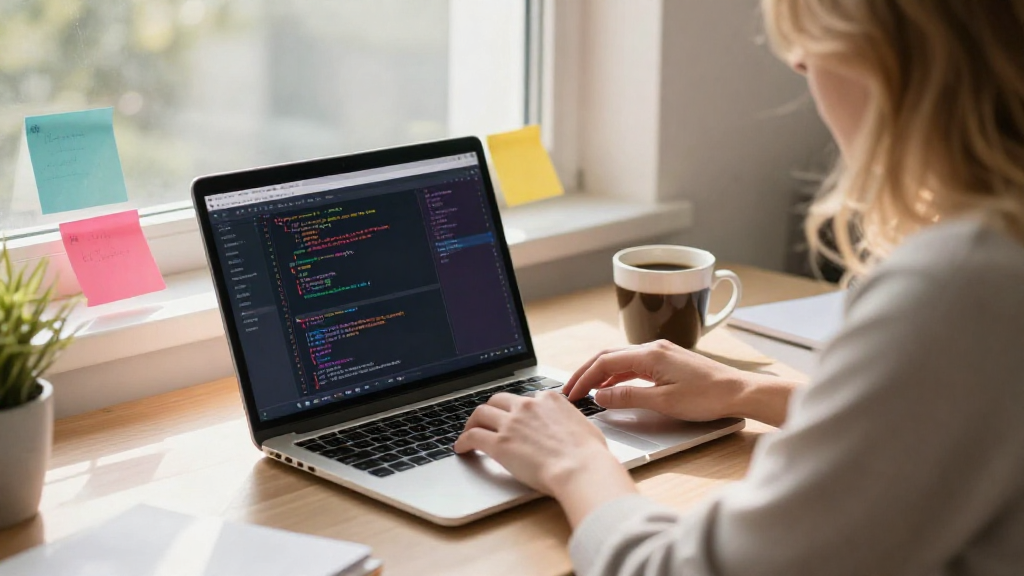
If you’ve ever wondered how to begin coding, you’re not alone.
Coding can open up a world of opportunities in today’s technology-driven landscape.
Whether you aspire to pursue a career in software development, web design, or data analysis, knowing how to code is a vital skill.
Here’s a comprehensive guide on how to begin coding even if you have no prior experience.
What Exactly Is Coding?
Coding, also known as programming, is the process of writing instructions for computers to follow.
Each set of instructions is written in a specific programming language that the computer can understand.
Some of the most popular programming languages include:
- Python
- JavaScript
- Ruby
- Java
- C++
These languages have different syntax and uses, which means you can choose one based on your goals.
Why Should You Learn to Code?
When asking yourself how to begin coding, it’s important to understand the benefits:
-
Career Opportunities: Many industries are in need of skilled programmers.
-
Problem-Solving Skills: Coding enhances logical thinking and problem-solving capabilities.
-
Creativity: Programming is a creative process; you get to build websites, apps, and software from scratch.
-
Remote Work: As a coder, you often have the flexibility to work from anywhere.
-
Community Support: There is a vast community of developers ready to help you through various platforms.
Which Language Should You Start With?
To effectively learn how to begin coding, selecting the right programming language is crucial.
Here are some beginner-friendly languages and their advantages:
-
Python:
- Great for beginners due to its straightforward syntax.
- Widely used in data science and machine learning.
-
JavaScript:
- Essential for front-end web development.
- Allows you to build interactive websites.
-
Ruby:
- Known for its elegant syntax, making it fun to write.
- Popular for web applications, particularly with the Rails framework.
Choosing a language based on your interests or areas you want to explore can make your learning journey more enjoyable.
Where to Find Coding Resources?
Once you have the language figured out, the next question is where can you learn to code?
There are numerous platforms and resources available, both free and paid. Here are some of the best options:
Free Online Courses
- Codecademy: Offers interactive lessons for various programming languages.
- Khan Academy: Provides a solid introduction to programming basics.
- Coursera: Collaborates with universities to offer free programming courses.
Paid Online Courses
- Udemy: Features a vast library of courses on almost any programming language.
- edX: Offers professional courses and certifications from universities.
- Pluralsight: Provides tech and software development courses, perfect for those looking to specialize.
Books and eBooks
- “Automate the Boring Stuff with Python” by Al Sweigart: An excellent introduction to Python.
- “Eloquent JavaScript” by Marijn Haverbeke: A great resource for beginners interested in JavaScript.
YouTube Channels
- freeCodeCamp: Offers comprehensive coding tutorials from beginner to advanced levels.
- Traversy Media: Covers web development topics in detail.
- The Coding Train: Fun and engaging tutorials on creativity in coding.
How Do You Start Practicing?
The best way to learn how to begin coding is through consistent practice. Here are some effective strategies:
-
Build Small Projects:
– Create a personal website.
– Develop a simple quiz app.
– Automate a task on your computer. -
Participate in Coding Challenges:
– Join platforms like LeetCode, HackerRank, or Codewars to solve problems and enhance your skills. -
Contribute to Open Source:
– Collaborate on projects hosted on GitHub to gain experience and work with other developers. -
Learn via Pair Programming:
– Team up with someone who is more experienced and code together.
Consistent practice will solidify your understanding and boost your confidence.
How to Stay Motivated While Learning to Code?
Learning to code can be overwhelming, especially at the beginning. Here are some tips to keep your motivation high while you explore how to begin coding:
-
Set Clear Goals: Define what you want to achieve in your programming journey, such as creating a specific application or mastering a language.
-
Join a Community: Engage with fellow learners through forums like Stack Overflow, Reddit, or Discord servers dedicated to coding.
-
Take Breaks: Learning coding can be intense – don’t forget to take breaks to avoid burnout.
-
Celebrate Small Wins: Acknowledge each accomplishment, whether it’s debugging a problem or finishing a course.
-
Find a Mentor: If possible, find a mentor who can guide you through your coding journey.
How Do You Keep Learning Beyond the Basics?
After grasping the fundamentals of coding, the question shifts to how to keep advancing your skills. Here are some strategies:
-
Explore Advanced Topics: Delve into areas such as algorithms, data structures, and software design patterns.
-
Attend Coding Meetups: Participate in local or virtual coding events to network with other developers.
-
Stay Updated: Follow technology blogs, podcasts, and newsletters to stay abreast of industry trends.
-
Seek Feedback: Share your code with experienced developers for constructive feedback.
-
Branch Out: Experiment with different languages and frameworks to cultivate a broad skill set.
Conclusion: Ready to Dive into Coding?
In summary, learning how to begin coding with no experience is entirely achievable.
You need to choose the right resources, set realistic goals, and practice consistently.
Whether you’re aiming for a career in tech or simply want to understand how software works better, coding can be a remarkably rewarding skill.
Don’t hesitate to start your journey – your new adventure in coding awaits!
With dedication and practice, you will soon find yourself navigating the world of programming with confidence.