
Are you looking for ways to calm your mind and enhance your overall well-being? If so, learning how to begin meditation can be a transformative journey.
What is Meditation?
Before diving into the practical aspects of how to begin meditation, it’s essential to understand what meditation is.
Meditation is a practice that involves focusing your mind and eliminating distractions.
It has roots in various religious and spiritual traditions but has gained popularity as a secular practice focusing on mental health and mindfulness.
Why Should You Meditate?
The benefits of meditation are profound and numerous. Here are some key reasons why you should consider incorporating it into your daily routine:
- Stress Reduction: Regular meditation helps reduce stress and anxiety by promoting relaxation.
- Enhanced Focus: It improves concentration and cognitive functioning.
- Better Emotional Health: Meditation can enhance self-awareness and foster a positive outlook on life.
- Improved Sleep: Consistent practice can lead to better sleep patterns.
- Pain Management: Many people find relief from chronic pain through meditation.
By understanding these benefits, you may be more motivated to learn how to begin meditation.
How Do You Get Started with Meditation?
Starting your meditation journey doesn’t have to be complicated. Here’s a simple guide on how to begin meditation for complete beginners.
1. Choosing Your Meditation Space
Your meditation environment can significantly impact your ability to focus.
- Find a Quiet Spot: Look for a place free from distractions where you can sit comfortably.
- Create a Sacred Atmosphere: You may add elements like soft lighting, candles, or incense to make the space inviting.
2. Deciding on Your Posture
Your physical posture is crucial while meditating. A proper posture sets the tone for your practice.
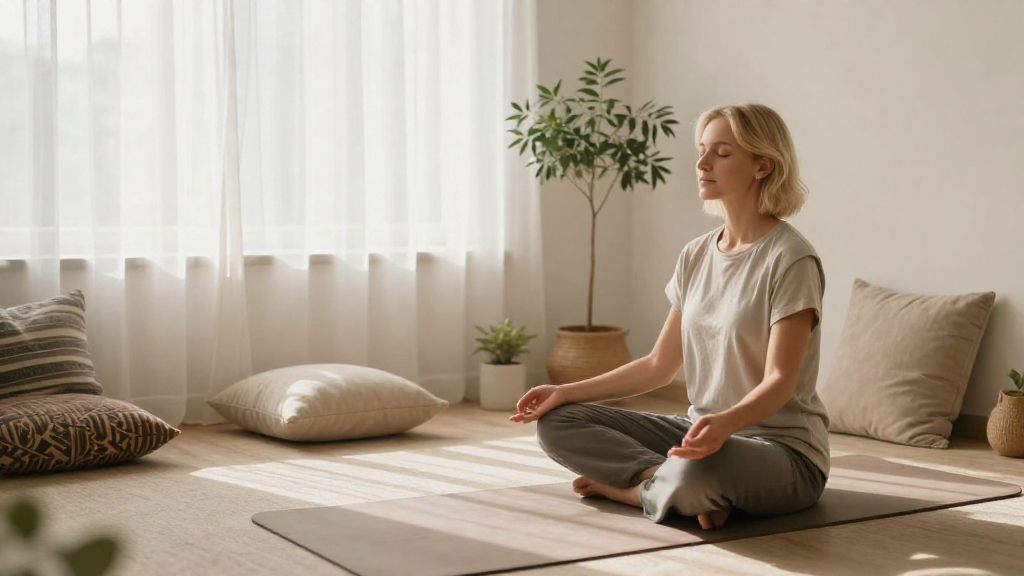
- Sitting Cross-Legged: You can sit on the floor in a cross-legged position or on a cushion if it’s comfortable.
- Chair Sitting: If sitting on the floor isn’t suitable for you, use a chair with your feet flat on the ground.
3. Setting a Time Limit
For beginners, starting small is key when considering how to begin meditation.
- Start With 5-10 Minutes: Choose a short duration to ensure you don’t feel overwhelmed.
- Gradually Increase: As you become comfortable, you can extend your meditation time.
4. Focusing on Your Breath
The most commonly recommended technique for beginners is breath awareness.
- Inhale Deeply: Take a deep breath in through your nose, filling your lungs.
- Exhale Slowly: Breathe out through your mouth or nose, whichever feels more natural.
- Notice Your Breath: Pay attention to each breath, focusing on the sensations as you inhale and exhale.
5. Dealing with Distractions
It’s normal for your mind to wander during meditation. Learning how to deal with distractions is vital when you’re figuring out how to begin meditation.
- Acknowledge the Thought: When a distraction arises, gently acknowledge it without judgment.
- Return to Your Breath: Allow your awareness to return to your breathing or your chosen point of focus.
6. Guided Meditation for Beginners
If you find it challenging to meditate on your own, guided meditation can be beneficial.
- Use Apps: There are many meditation apps available, such as Headspace or Calm, which offer guided sessions tailored for beginners.
- YouTube Videos: You can also find numerous free guided meditations on platforms like YouTube.
How Can You Incorporate Meditation into Your Daily Routine?
The key to successful meditation practice lies in consistency.
1. Create a Schedule
Incorporate meditation into your daily routine by setting aside a specific time.
- Morning Ritual: Many people find morning meditation beneficial for starting their day on a positive note.
- Evening Wind-Down: Alternatively, you can meditate in the evening to help you relax before bed.
2. Start Small and Build Gradually
Don’t overwhelm yourself with long sessions right at the beginning.
- Short Sessions: Start with a few minutes, then gradually add more time as it becomes more comfortable.
- Focus on Consistency: Aim to meditate daily or at least several times a week.
3. Join a Meditation Group
Sometimes, practicing with others can enhance your experience.
- Local Classes: Look for local meditation classes or communities.
- Online Groups: Many websites offer online groups where you can share experiences and support each other.
Why is It Important to Be Patient?
As you learn how to begin meditation, patience is crucial.
- Results Take Time: Meditation is not an instant fix; benefits often become more pronounced over time.
- Embrace the Journey: Be gentle with yourself and recognize that every meditation session is a step forward, regardless of how you feel.
What Tools Can Help You in Your Meditation Practice?
There are various tools and resources available to enhance your meditation experience.
1. Meditation Apps
Apps can provide structured guidance and help keep you accountable.
- Headspace: This app features various themed meditations for different goals.
- Insight Timer: Offers thousands of free guided meditations and has an extensive user community.
2. Meditation Cushions and Mats
Investing in comfortable seating can make a significant difference.
- Cushions: A meditation cushion can provide support and comfort during your practice.
- Yoga Mats: If you prefer sitting on the floor, a yoga mat can help create a comfortable space.
3. Journals
Keeping a meditation journal is great for tracking your progress.
- Reflection: Write down your thoughts and experiences after each session.
- Goals: Set meditation goals and note how you feel after each session.
Conclusion
Learning how to begin meditation may feel daunting initially, but it’s a journey well worth taking.
Start by creating a comfortable space, experimenting with different techniques, and being patient with yourself.
Remember that meditation is a personal experience; what works for one person may not work for another.
With time and practice, meditation can become a vital part of your daily life, helping you reduce stress, enhance focus, and improve your emotional well-being.
So, take the plunge and begin your meditation journey today!